

PROTECT YOURSELF with Orgo-Life® QUANTUM TECHNOLOGY
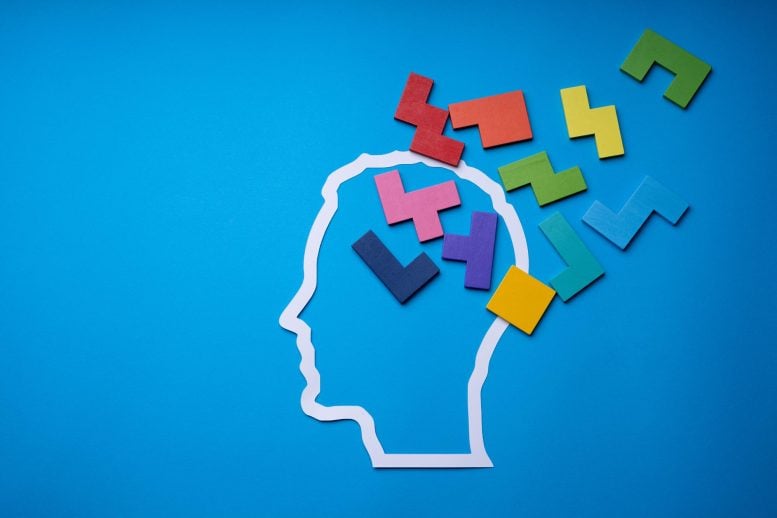
Orgo-Life the new way to the future Advertising by Adpathway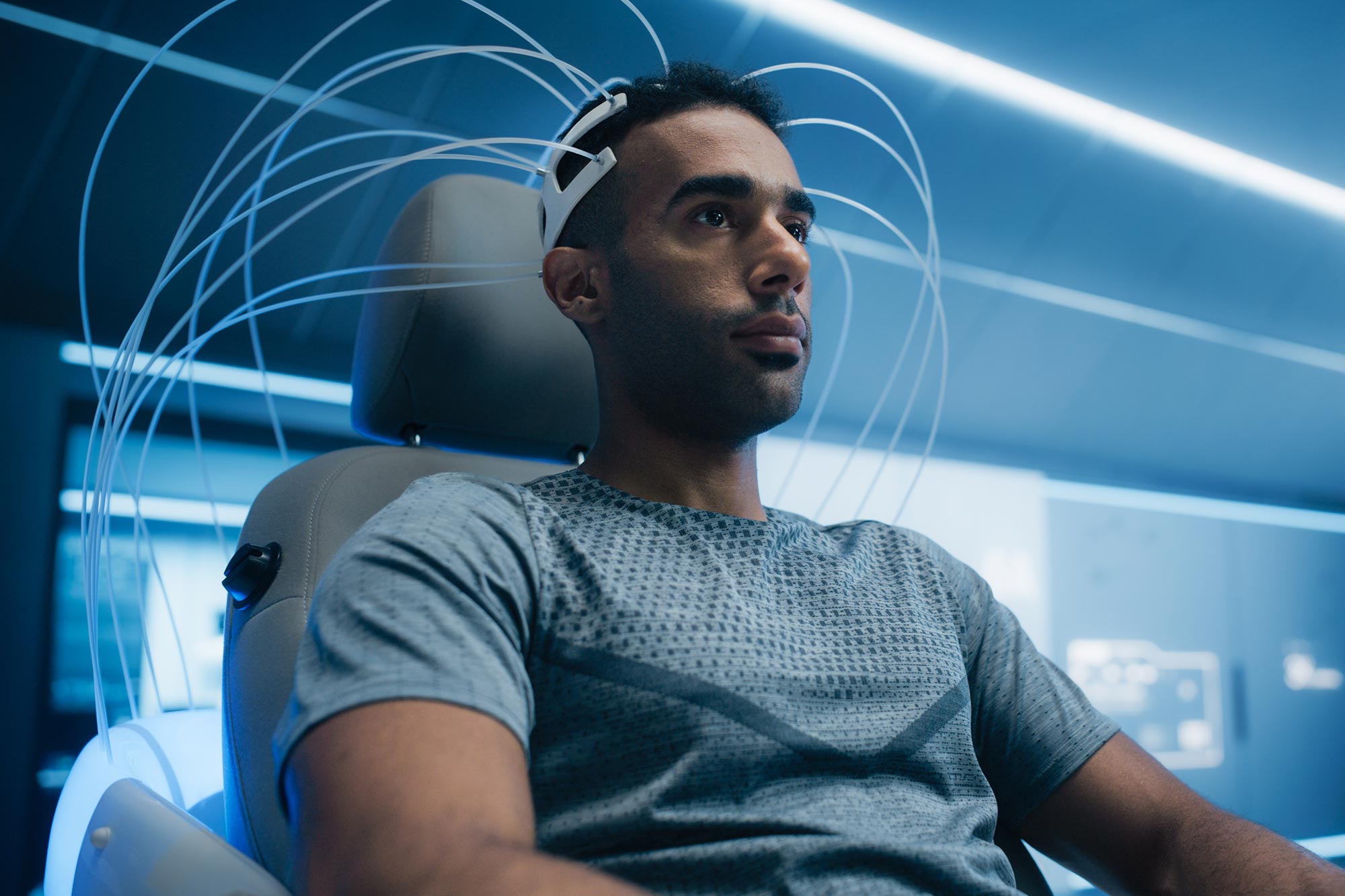 Brain stimulation uses electrical or magnetic signals to influence neural activity and is being explored for both research and treatment. Scientists are increasingly finding that its effects may depend not just on where the brain is stimulated, but also on what the brain is doing at that exact moment. Credit: Shutterstock
The brain’s activity immediately before stimulation may help predict its response and improve the consistency of neuromodulation.
The same brain stimulation can produce very different responses depending on when it is delivered.
A study published in Brain Stimulation, using detailed brain recordings hosted by EBRAINS, suggests that the brain’s activity immediately before stimulation can explain much of this variation and may eventually help make neuromodulation therapies more dependable.
Brain stimulation uses electrical or magnetic fields to alter neural activity and is used in research and to treat conditions including depression, Parkinson’s, and epilepsy. But even when researchers stimulate the same location using identical settings, the resulting brain response can differ severalfold between trials. The researchers therefore investigated whether the brain’s moment-to-moment state could account for those differences and which features of that activity were most informative.
Brain state may explain inconsistent responses
The researchers examined an EBRAINS-hosted dataset from the EBRAINS Knowledge Graph containing simultaneous intracranial (SEEG) and scalp EEG (hd-EEG) recordings from 36 people with epilepsy. The patients had received intracranial electrical stimulation as part of medically necessary seizure mapping.
Across about 320 sessions and more than 10,000 individual stimulations, the researchers evaluated 125 measures of brain activity recorded before each stimulus. These included indicators of network synchronization, functional connectivity, and signal complexity, allowing the researchers to determine which patterns best anticipated the brain’s response.
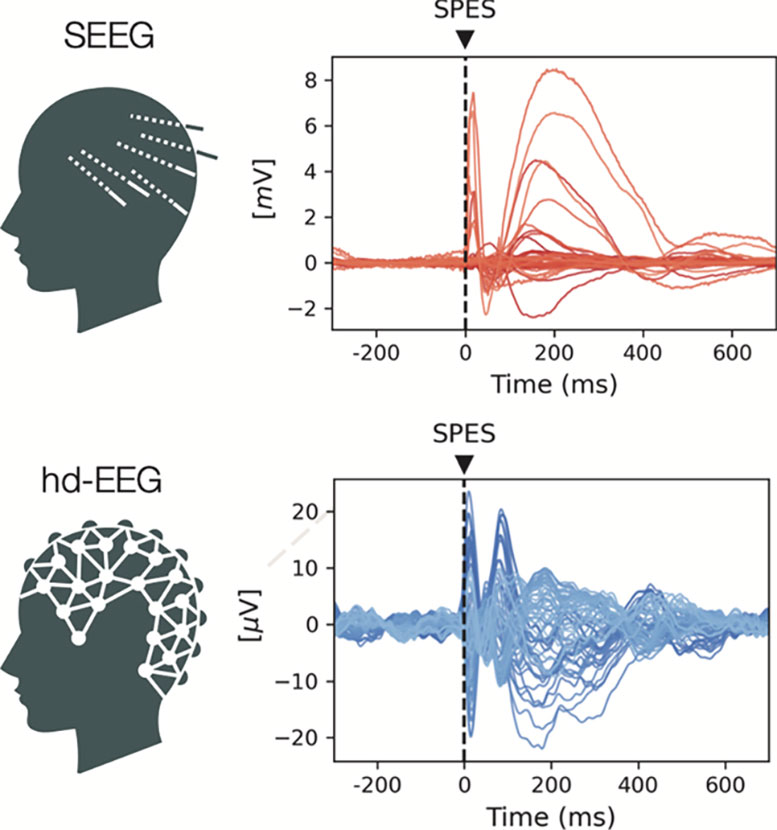 Responses to single-pulse electrical stimulation (SPES) in one study participant, recorded via SEEG) hdEEG. Brain stimulation is used in therapy and research and applies electrical or magnetic fields to modulate neural activity. Credit: Rabuffo G. et al. Brain Stimulation, 2026
Whole brain activity proved much more informative than recordings taken from a single local site. Predictions were strongest when stimulation targeted the sensorimotor and visual networks.
When stimulation was limited to trials showing particular pre-stimulus brain signatures, response variability fell by as much as 24%. The predictive patterns also appeared in both intracranial and scalp EEG recordings, strengthening evidence that the approach is robust and could potentially be adapted for noninvasive clinical use.
Real-time monitoring could improve precision
The findings also demonstrate how EBRAINS’ open datasets can support reproducible analyses involving large collections of brain stimulation data. More broadly, they suggest that monitoring the brain’s ongoing state in real time could eventually help clinicians time neuromodulation more precisely and produce more predictable responses.
Reference: “Pre-stimulus brain states predict and control variability in stimulation responses” by Giovanni Rabuffo, Marianna Angiolelli, Tomoki Fukai, Gustavo Deco, Pierpaolo Sorrentino and Davide Momi, 15 May 2026, Brain Stimulation.
DOI: 10.1016/j.brs.2026.103118
Never miss a breakthrough: Join the SciTechDaily newsletter.
Follow us on Google and Google News.


















 English (US) ·
  French (CA) ·
  French (FR) ·