

PROTECT YOURSELF with Orgo-Life® QUANTUM TECHNOLOGY
Orgo-Life the new way to the future Advertising by Adpathway Sudden cardiac death occurs when the heart’s electrical system unexpectedly malfunctions, triggering a dangerous heart rhythm that prevents the heart from pumping blood effectively. It can strike without warning, even in seemingly healthy individuals, and is often fatal within minutes without immediate treatment. Credit: Stock
Researchers have discovered a previously unrecognized electrical signal in the heart that could help predict sudden cardiac death before it strikes.
Sudden cardiac death can strike without warning, killing people who appear healthy and have no known history of heart problems. For decades, doctors have struggled to identify who is most vulnerable, even though a potentially lifesaving treatment already exists. Now, researchers have discovered that clues to these fatal events may have been hiding in one of medicine’s most familiar diagnostic tests.
Scientists at the University of California, Berkeley developed an artificial intelligence system that detects subtle electrical patterns in routine electrocardiograms (EKGs) associated with an increased risk of sudden cardiac death. In a study published in Nature, the AI outperformed a standard clinical screening method, raising the possibility that doctors could identify more at-risk patients before their hearts suddenly stop.
AI Detects Hidden Warning Signs in Heart Recordings
To develop the system, researchers analyzed more than 440,000 EKGs collected over six years through Sweden’s health care system. By linking these recordings to death certificates, they trained an AI model to recognize electrical patterns associated with subsequent sudden cardiac death. The training data included recordings from healthy individuals, patients with known heart problems, and people who later died from cardiac causes.
The researchers then evaluated the algorithm using separate patient datasets from San Diego and Taipei, testing whether its predictions remained reliable across different populations. The model identified subtle variations in EKG waveforms that conventional clinical assessments often overlook. Although these patterns were associated with an increased risk of sudden cardiac death, the underlying physiological mechanism remains unknown.
A More Accurate Way to Identify High-Risk Patients
Doctors commonly assess sudden cardiac death risk by measuring how much blood the heart pumps out with each contraction. Known as the ejection fraction, this measurement helps determine whether a patient qualifies for an implantable cardioverter defibrillator, a device that monitors dangerous heart rhythms and delivers an electrical shock when necessary.
The AI system identified a group of patients with a 7% annual rate of sudden cardiac death. By comparison, patients classified as high risk using the conventional measure had an annual rate of 4.6%. Many individuals flagged by the AI would not have been considered high risk under existing clinical criteria, suggesting that routinely collected EKGs could help identify patients who might otherwise go undetected.
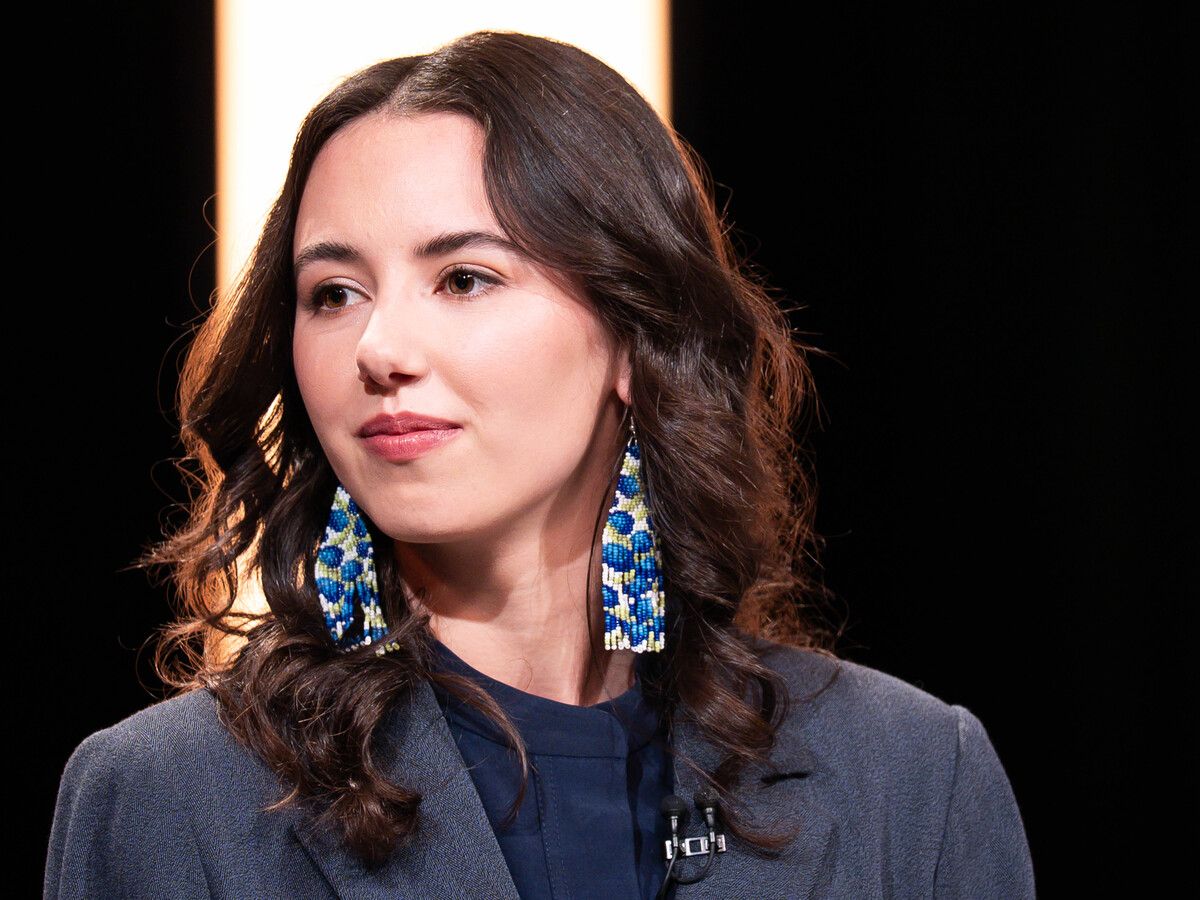
“Medical decisions are really hard, and I think that’s why AI is so exciting for me,” said Ziad Obermeyer, an associate professor at UC Berkeley’s School of Public Health and the study’s lead author. “We can not only make better decisions, but also start to understand what’s actually going on with these patients before their heart stops.”
Why Sudden Cardiac Death Is Difficult to Predict
More than 300,000 Americans die from sudden cardiac arrest each year. Unlike a heart attack, which occurs when blood flow to part of the heart becomes blocked, cardiac arrest involves a sudden failure of the electrical signals that coordinate the heartbeat. The heart can no longer pump blood effectively, and without immediate treatment, death can occur within minutes.
Although CPR and defibrillation can restore circulation in some cases, approximately 90% of people who experience cardiac arrest outside a hospital do not survive. Victims include older adults with established cardiovascular disease and seemingly healthy young athletes with no known history of heart problems.
Implantable defibrillators can prevent some of these deaths, but determining who needs one remains difficult. About two-thirds of devices implanted in patients considered high risk never have to deliver a shock. Meanwhile, many people who eventually suffer sudden cardiac death never undergo the specialized cardiac evaluations that might identify a problem.
“In some fraction of those people, we could have prevented those deaths if we had just known it in time,” Obermeyer said.
Moving From AI Predictions to Preventive Care
Obermeyer and his colleagues are now collaborating with health systems in Sweden, Taiwan, and the United States to apply the algorithm to hospital EKG databases. Patients identified as high risk could be contacted by clinicians and offered wearable monitors that continuously record their heart’s electrical activity.
These recordings could help researchers determine what physiological changes produce the patterns detected by AI. They may also provide additional evidence to guide decisions about implanting defibrillators. However, further research is needed to establish whether using the algorithm to guide treatment actually reduces deaths.
Building the system required nearly a decade of work to assemble the necessary medical data. Obermeyer said that obtaining large, detailed datasets remains one of the biggest obstacles to developing clinical AI tools.
“Good AI starts with good data,” he said. “Unfortunately, data like the ones we used for this study are incredibly hard to access. It’s a big part of why there’s so little clinical AI in use today.”
The researchers hope that studying the electrical abnormalities identified by the model will help explain what happens inside the heart before it suddenly stops. Such findings could eventually improve both risk prediction and understanding of the biological processes behind sudden cardiac death.
Obermeyer has also launched a website where people interested in assessing their own risk of sudden cardiac death can provide basic information and an email address. The research team may contact participants about EKG analysis once the AI tool becomes more widely available.
Reference: “An ECG biomarker for sudden cardiac death discovered with deep learning” by Ziad Obermeyer, Alexander Schubert, James Ross, Sendhil Mullainathan and Markus Lingman, 24 June 2026, Nature.
DOI: 10.1038/s41586-026-10674-6
Never miss a breakthrough: Join the SciTechDaily newsletter.
Follow us on Google and Google News.













 English (US) ·
 French (CA) ·
 French (FR) ·