

.png) 3 weeks ago
9
3 weeks ago
9
PROTECT YOURSELF with Orgo-Life® QUANTUM TECHNOLOGY
Orgo-Life the new way to the future Advertising by Adpathway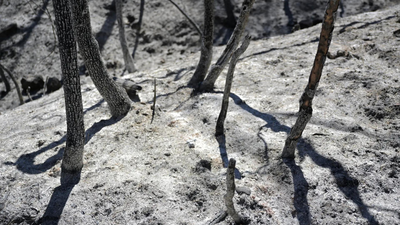
Record heat hits farms as Asia endures extreme summer (Representative image)
South Korea recorded its hottest summer on record this year, with the southeastern city of Yangsan reaching 42.5°C on August 2, the highest temperature recorded in the country since modern weather observations began in 1904.A South Korean potato farmer in Gangwon province has seen his crop destroyed by extreme heat, with potatoes harvested in Yanggu county turning soft and collapsing within a week after initially appearing healthy.Farmer Lee Sang-hyuk said the tubers had become “like boiled potatoes” as intense heat affected the soil.“It’s not just one or two fields like this. How can I even put it into words? It’s so upsetting,” Sang-hyuk told local broadcaster SBS.The extreme heat has been blamed for at least 31 deaths nationwide, according to South Korea’s disease control agency, while more than 900,000 livestock and 1.4 million farmed fish have also died.Authorities issued a heat warning, urging people to “immediately stop all outdoor activities”. South Korean President Lee Jae Myung told his cabinet that the extreme weather was “unlike anything we have experienced before”.
“We need to make efforts for a fundamental overhaul of the national crisis system,” he said, “since this extreme weather is becoming the new normal.”In neighbouring Japan, temperatures reached 40°C or higher in several locations, while the country recorded its first “kokushobi”, or “cruelly hot day”, a new category introduced this year by the weather agency for temperatures above 40°C. In Tokyo, three lions at a city zoo died of suspected heatstroke, as cited by The Guardian.Scientists say the extreme temperatures are part of a wider pattern. Researchers at Japan’s Weather Attribution Centre found that the country’s intense July heat would have been “virtually impossible” without global warming.They estimated that, without human-caused warming, a heatwave of this scale would occur on average once every 10,000 years.In Hong Kong, the observatory recorded 36.9°C, the highest temperature there since records began in 1884, as the outer bands of Typhoon Dolphin swept hot air across the city.The record heat also highlighted shortcomings in the city’s heat-stress warning system for outdoor workers, which remained at its lowest level despite the record temperatures.In China’s western Xinjiang region, a weather station recorded 50°C in July, while heatwaves affected the country’s north-east. North Korea also reported a run of tropical nights in Pyongyang, with temperatures remaining above 25°C.The extreme heat came even as an El Niño event was under way, a natural climate pattern that has previously been linked to a lower likelihood of extreme summer heat in Japan.
What do you think is the most pressing consequence of rising temperatures?
Agricultural crop failureLivestock and wildlife deathsHuman health risks
3k+ users shared opinion today
5k+ users already voted today
El Niño occurs naturally in the Pacific and, when combined with human-driven global warming, can contribute to temperature spikes and more extreme weather.














 English (US) ·
  French (CA) ·
  French (FR) ·