

PROTECT YOURSELF with Orgo-Life® QUANTUM TECHNOLOGY
Orgo-Life the new way to the future Advertising by Adpathway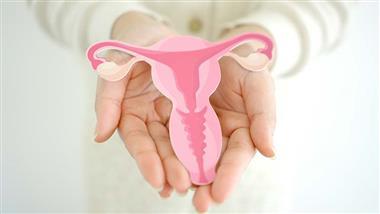
Story at-a-glance
- Research suggests postbiotics may support insulin sensitivity and modulate inflammation markers, and is associated with hormonal patterns observed in PCOS
- Gut imbalance may compromise the intestinal barrier. When this happens, bacterial compounds can pass into the bloodstream — a process researchers link to inflammation, hormone disruption, and metabolic dysfunction
- Short-chain fatty acids may support the gut lining and influence energy metabolism, according to developing research; some studies have examined their potential role in the metabolic stress associated with PCOS
- Emerging research also explores how gut signaling may relate to menstrual regularity, fertility, and androgen-related symptoms
- Postbiotics are best explored alongside a broader lifestyle framework — healthy diet changes, daily movement, stress control, and reduced toxin exposure creates a coordinated reset that together may support overall metabolic and hormonal health
If you're dealing with polycystic ovarian syndrome (PCOS), you've probably been told it's a hormone problem and handed a prescription that treats one symptom at a time. But emerging research points to a different origin entirely. PCOS affects far more than your ovaries. It's a full-body metabolic disorder that shows up as irregular menstrual cycles, stubborn weight gain, acne, excess hair growth, and difficulty conceiving. Left unchecked, PCOS has been associated in epidemiological research with an increased risk of Type 2 diabetes, cardiovascular disease, and chronic inflammation; however, conventional treatments tend to target individual symptoms rather than the underlying cause. What stands out in a 2026 review published in ACS Nutrition Science is a different starting point entirely.1 Instead of treating PCOS as a hormonal condition that happens to affect metabolism, the researchers trace its core drivers back to the gut. That reframing changes what an effective intervention looks like — and points to a class of compounds many people have never heard of. This is where postbiotics enter the conversation. Probiotics are live bacteria. Postbiotics are the beneficial compounds those bacteria produce as they work — molecules like short-chain fatty acids (SCFAs), enzymes, and peptides that may directly influence your metabolism and immune function. Prebiotics are a third category. These are the fibers and compounds in food that feed beneficial bacteria in your gut. Think of it as a production chain: prebiotics fuel the bacteria (probiotics), and those bacteria produce the beneficial compounds (postbiotics) that influence your metabolism and immune function. Early research has examined how postbiotics may influence several interconnected systems implicated in PCOS — not by overriding your body's signals, but by influencing some of the conditions researchers believe may support self-regulation.
For the review, researchers focused on how postbiotics may influence the underlying patterns of PCOS, not just the symptoms.2 The goal was to understand how changes in gut balance may influence hormone signaling, metabolism, and inflammation simultaneously. Instead of looking at PCOS as a single problem, the research treats it as a chain of interactions that starts in your gut and spreads throughout your body. The paper describes how individuals with PCOS consistently show fewer beneficial bacteria and more harmful species, including bacteria like Escherichia coli and Staphylococcus aureus. That imbalance disrupts how your body processes hormones and energy. When your gut shifts in the wrong direction, your entire metabolic system is often observed to follow. Here's how that chain reaction unfolds: It starts with dysbiosis, an imbalance in your gut bacteria that weakens your intestinal barrier. Once that barrier breaks down, bacterial toxins leak into your bloodstream, which is associated with widespread inflammation. That inflammation is associated with reduced insulin sensitivity, and, according to research, rising insulin levels signal your ovaries to produce more androgens like testosterone. From there, the excess androgens may lead to symptoms most women recognize, including irregular cycles, acne, hair growth, and difficulty losing weight. Each point below examines a different link in that chain. • Postbiotics may support insulin response and metabolic markers — Research has examined whether postbiotics influence how your body responds to insulin. Improved insulin sensitivity is associated with more efficient cellular glucose use so it does not build up in your bloodstream. That change may help stabilize energy levels, reduce fat storage, and ease the hormonal signals that push androgen levels higher. Androgens are often called "male hormones," like testosterone, but women produce them too. When levels rise too high, they could lead to PCOS symptoms. • Inflammation drops as gut-derived compounds increase — Postbiotics have been observed to increase anti-inflammatory markers in your gut, which may be relevant to the chronic inflammation seen in PCOS. This matters because inflammation is linked to most PCOS symptoms, from hormone imbalance to metabolic dysfunction. Reductions in inflammation are associated with improved self-regulation in some research models. • SCFAs are associated with improved gut barrier function — SCFAs, such as butyrate, are compounds your gut bacteria produce when they break down food.3 These act as a fuel source for cells lining the intestines, helping support barrier function. When SCFAs increase, your gut wall becomes stronger, which helps prevent harmful bacterial toxins from leaking into your bloodstream, a process linked to inflammation and insulin resistance. However, when SCFA levels drop, your gut barrier becomes more permeable, meaning unwanted substances pass into circulation more easily. That leakage raises levels of endotoxins, which have been shown in research to directly interfere with insulin signaling and hormonal balance. Think of endotoxins as debris shed from harmful bacteria. When your gut wall is weak, that debris slips into your bloodstream and triggers alarm signals throughout your body. • Hormone signaling and the gut — brain — hormone connection — Another mechanism involves how your gut communicates with your brain and endocrine system, often referred to as the gut-brain axis. Postbiotics may influence this communication network, helping regulate androgen levels and restore hormonal balance, according to research. These are actually two distinct communication channels. Your gut-brain axis governs stress hormones and appetite regulation. It's why gut problems often come with cravings and elevated cortisol. Gut-ovary signaling, on the other hand, affects reproductive hormones like estrogen and testosterone, which regulate ovulation and cycle patterns. Researchers have observed associations between these signaling shifts and improvements in menstrual regularity in some study populations. • Metabolism, bile acids, and adiponectin — Postbiotics may help influence how your liver recycles bile acids, which are used by your body to break down and absorb dietary fat. When that recycling process is disrupted, fat metabolism slows down and excess fat accumulates more easily. Women with PCOS consistently show low levels of a hormone called adiponectin, which is directly linked to the stubborn weight gain and metabolic slowdown many experience. Some studies have reported that postbiotics are associated with higher adiponectin levels, a marker linked to improved insulin sensitivity and fat metabolism. A separate study published in Inflammopharmacology reinforces these findings and extends them into an area the first review doesn't fully address: direct reproductive outcomes. Where the ACS review focused on metabolic and inflammatory mechanisms, this research examines how postbiotics may relate to ovarian function, menstrual regularity, and fertility — the outcomes many women with PCOS care about most.4 • Ovarian function and menstrual patterns — Irregular ovulation is one of the patterns in PCOS that influences fertility. In study populations where ovarian function stabilizes, cycles become more predictable and improvements in reproductive health markers are reported. • Reduction of excess androgen — Postbiotic compounds help lower excess androgen activity. Unlike approaches that suppress hormones, researchers describe this as a mechanism that may influence hormone-regulating signals. In some studies, normalization of these signals has been associated with shifts in hormone markers. • Metabolism becomes more efficient at handling glucose and energy — Research suggests postbiotics may influence glucose metabolism, with some studies reporting improved sugar processing in study populations. These effects have been linked in research to energy levels, weight regulation, and insulin markers. Improved cellular glucose use is associated in research with reductions in metabolic markers linked to PCOS. Postbiotics may also exhibit both anti-inflammatory and antioxidant effects, which help calm the internal environment that drives PCOS forward.5 Antioxidants protect your cells from damage, while reduced inflammation lowers the constant stress signals that disrupt hormone function. Together, these shifts are associated in research with a more stable internal state. • Gut integrity strengthens and improves communication across systems — A major mechanism involves strengthening your gut wall, which improves how your digestive system communicates with the rest of your body. When your gut barrier is intact, fewer harmful substances enter circulation, and signaling between your gut and ovaries becomes more stable. This shows why improving gut structure leads to improvements in both metabolism and reproductive function. • May directly influence the gut — ovary connection — The gut and ovaries communicate through shared signaling pathways. Postbiotics help stabilize that communication, allowing hormone signals to travel more accurately. Think of it as clearing static from a phone line between your gut and ovaries. Once this interference lessens, research suggests hormone signals may be more consistent. Symptoms like irregular menstrual cycles, weight gain, and hormonal swings don't come from a single broken pathway. They reflect a system that has lost balance, starting in your gut and spreading into metabolism and hormone signaling. When that foundation improves, your body begins correcting itself in a coordinated way instead of fighting isolated symptoms. The goal is not to chase individual issues but to restore the underlying systems that control them. These steps focus on rebuilding that foundation so your body can regulate hormones, energy, and inflammation more effectively. 1. Use postbiotics to directly restore microbiome balance — Think of postbiotics as the signals your gut needs to function properly again. These compounds have been linked in research to insulin markers, inflammatory patterns, and hormone regulation — some studies suggest these effects may occur together. One well-studied postbiotic option is Akkermansia muciniphila. When pasteurized, it retains a protein called Amuc_1100, which has been shown to tighten the gut barrier and reduce inflammation. Look for postbiotic formulas with enteric coating or microencapsulation to ensure they survive stomach acid and reach your colon intact. Postbiotics work best in a gut environment that supports them. That means limiting unnecessary antibiotic use, which can wipe out the beneficial bacteria your microbiome depends on, and cutting back on processed foods that feed harmful species instead. 2. Rebuild your diet to stabilize blood sugar and hormone signals — Processed foods keep your metabolism stuck in a stressed state. Focus on whole-food carbohydrates like white rice and other easily digested starches, as well as anti-inflammatory foods like berries and mushrooms to help support steady energy and more stable hormone patterns. Removing processed foods high in seed oils like soybean, corn, sunflower, safflower, canola, and cottonseed oils, reduces linoleic acid (LA) exposure. LA disrupts cellular energy and drives inflammation. Focus on rebuilding tolerance to whole foods gradually, starting with easier-to-digest options like fruit and white rice and slowly expanding variety so your gut regains flexibility instead of reacting to everything you eat. 3. Move daily to reset insulin and metabolic function — Consistent movement gives your body a reason to improve insulin sensitivity. Daily walking for about 60 minutes supports steady glucose use, while adding strength training twice a week helps regulate hormones and improve metabolic efficiency. 4. Incorporate stress management techniques to your daily routine — Chronic stress interferes with hormone signaling and keeps your body in a constant state of imbalance. Practices like mindfulness, meditation, counseling, or structured downtime lower those stress signals and support more stable communication between your brain, metabolism, and reproductive system. 5. Reduce exposure to environmental toxins that mimic hormones — Everyday exposure to plastics introduces compounds that act like synthetic hormones. Microplastics behave like xenoestrogens and may affect your estrogen-to-androgen balance, a pattern observed in PCOS. Reducing contact with these materials — by switching to glass food storage, avoiding plastic water bottles, and choosing natural clothing materials — lowers that interference and supports a more stable hormonal environment. Q: What's the main cause of PCOS according to this research? A: The research suggests PCOS is associated with a combination of insulin resistance, inflammation, and gut imbalance — not only hormone changes. Q: How do postbiotics relate to PCOS symptoms? A: Postbiotics may support gut balance, which is associated with effects on insulin sensitivity, inflammation markers, and hormone signals. This leads to better energy use, fewer hormone swings, and more regular menstrual cycles because your body begins regulating itself more effectively. Q: What are SCFAs and why do they matter? A: Short-chain fatty acids (SCFAs) are compounds your gut bacteria produce that act as fuel for your intestinal cells. They help keep your gut barrier strong so toxins don't leak into your bloodstream. When SCFAs are low, inflammation rises and insulin resistance worsens, which may contribute to PCOS symptoms. Q: Can improving gut health affect hormones and fertility? A: Emerging research suggests a connection between gut balance and hormone regulation through pathways such as the gut-brain axis and gut-ovary signaling. When gut balance improves, hormone signals become more stable, which supports more regular ovulation, improved fertility, and reduced androgen-related symptoms. Q: What lifestyle changes support postbiotic and gut health benefits? A: Supporting gut health involves combining postbiotics with daily habits that reduce inflammation and improve metabolism. These include eating anti-inflammatory foods, avoiding processed foods and seed oils, staying physically active, managing stress, and reducing exposure to hormone-disrupting toxins like microplastics. These changes reinforce the same systems postbiotics target, helping symptoms improve more consistently. These findings are from research conducted in clinical settings. Results may not apply to all individuals. This article is for informational purposes only and does not constitute medical advice. Consult a qualified healthcare provider before making changes to your health regimen. Take today’s quiz to see how much you’ve learned from yesterday’s Mercola.com article. Which eating pattern was linked to better sleep? Higher fiber intake and greater plant diversity were linked to more deep sleep, more rapid eye movement (REM) sleep, and a lower nighttime heart rate. Learn more.How Researchers Link Postbiotics to PCOS-Related Pathways
Postbiotics and Reproductive and Metabolic Markers in PCOS Research
Restoring Gut Balance May Ease PCOS-Associated Symptoms
FAQs About Postbiotics and PCOS
Test Your Knowledge with Today's Quiz!




















 English (US) ·
  French (CA) ·
  French (FR) ·