

 1 hour ago
4
1 hour ago
4
PROTECT YOURSELF with Orgo-Life® QUANTUM TECHNOLOGY
Orgo-Life the new way to the future Advertising by AdpathwayPeople may need to make some changes amid the hot weather
With temperatures continuing to soar across England, people with allergies may want to take extra precautions. This is especially true for people who have EpiPens.
Experts advise caution as the hot weather could affect them. According to epipen.co.uk, "EpiPen auto-injectors are automatic injection devices containing adrenaline for allergic emergencies."
The NHS recommends using an "adrenaline auto-injector such as an EpiPen" if you think you or someone you're with is having an anaphylactic reaction. But people who need them should be aware of the risks when it comes to hot weather.
EpiPens and hot weather
In a warning from Medicines and Healthcare products Regulatory Agency (MHRA) published in June 2026, experts urged people to "keep medicines" - including EpiPens - "out of hot cars and direct sunlight."
MHRA stressed: "Heat can break down the active ingredients in medicines, meaning they might not work when you need them. That includes tablets, inhalers, hormone patches, insulin, and EpiPens. Some packaging will give clear storage instructions, but not all medicines come with a visible warning." There are different types of EpiPens, which you can read about in detail here.
Alison Cave, Chief Safety Officer at the MHRA, said: “Let’s face it – when there’s a heatwave, most of us are focused on getting outside and enjoying it while it lasts. But it’s easy to forget that medicines left in the heat – in cars, bags, or on sunny windowsills – might not work properly when you need them.
“Some medicines can also make you more likely to burn in the sun, feel dizzy, or get dehydrated, especially if you’re taking diuretics or have a condition like asthma, heart disease, or diabetes.
“To stay safe in the heat, store medicines somewhere cool, dry and out of direct sunlight – especially if you’re out and about. Know the signs of heat-related illness – stay hydrated and listen to your body."
Urging people to take extra care in the sun if your medicine makes your skin more likely to burn, she concluded: "Remember, for all medicines it’s important to read the leaflet and speak to a healthcare professional if you have any questions."
What are the symptoms of anaphylaxis?
EpiPen experts stress that "severe allergic reactions can occur in response to food, insect stings, medication, latex, exercise and other allergens." With this in mind, it is crucial to remember that symptoms of anaphylaxis include the following:
- AIRWAY – Persistent cough, hoarse voice, difficulty swallowing, swollen tongue
- BREATHING – Difficult or noisy breathing, wheeze or persistent cough
- CIRCULATION – Persistent dizziness, pale or floppy, suddenly sleepy, collapse/unconscious
The common causes of anaphylaxis include foods such as:
- peanuts
- tree nuts
- milk
- eggs
- shellfish
- fish
- sesame seeds
- kiwi fruit
Although many other foods have been known to trigger anaphylaxis, non-food causes include:
- wasp stings
- bee stings
- natural latex (rubber)
- certain drugs such as penicillin.
Officials at epipen.co.uk advise: "In some people exercise can trigger a severe reaction - either on its own or in combination with other factors such as food or drugs (e.g. aspirin)."
Hot weather and medication
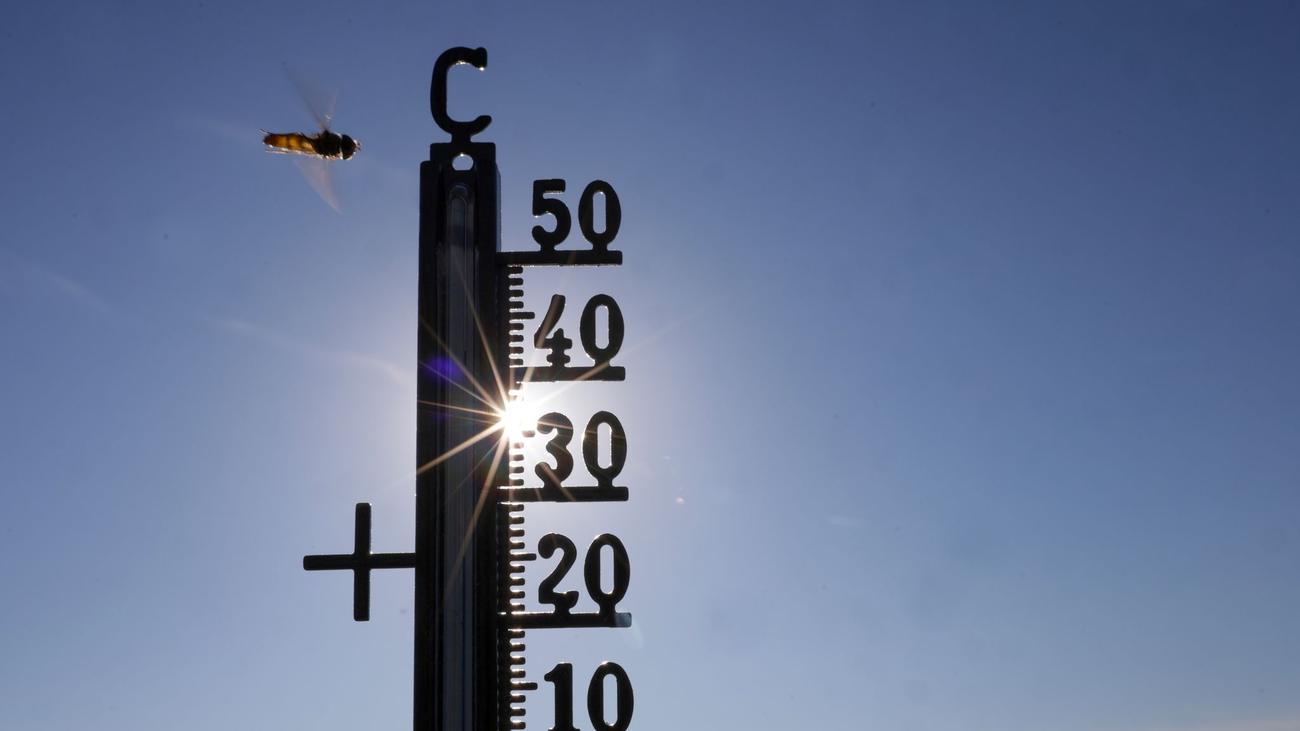
It's not just devices that can be affected by heat - medications can too. The MHRA advice notes: "Most medicines need to be stored at temperatures below 25C. But cars, trains and buses can heat up quickly during the summer, and rooms with direct sunlight can get much hotter than you’d think. Even bags and pockets can get warm enough to cause problems, especially if you’re out all day or at a festival, sports event, or the beach.
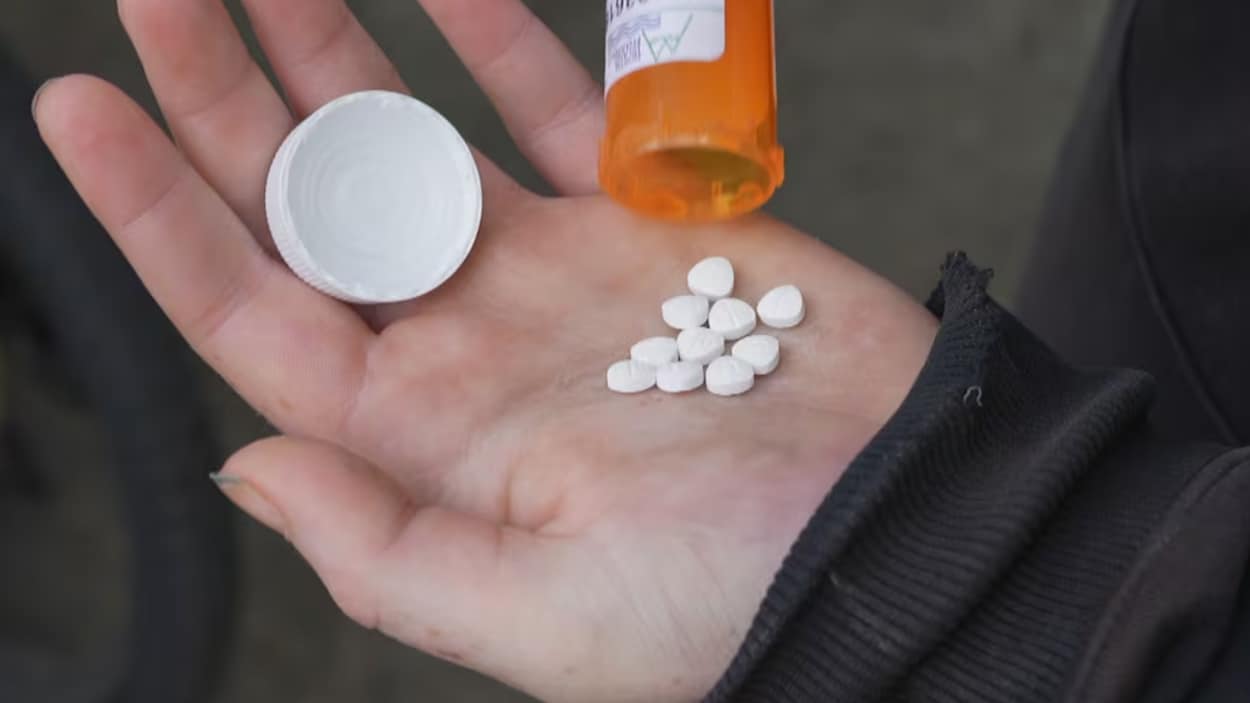
"Medicines that need to be kept in the fridge - such as insulin or certain liquid antibiotics – are especially vulnerable to heat. If they’re left out too long or stored incorrectly, they may not work properly when you take them.
"If your medicine has changed colour, developed an unusual smell, changed texture, or looks different in any way, this could signal heat damage. Ask your pharmacist for advice.
"If you’re at home, check the patient information leaflet for storage instructions and keep medicines in the coolest part of the house, away from direct sunlight. If you’re travelling, avoid leaving them in parked vehicles or warm bags. A cool bag can help if you’re going to be out all day.
"Heat damage can also affect how much medicine your body absorbs, potentially making your usual dose too strong or too weak. If you notice any changes in how you feel or how well your medicines seem to be working during hot weather, speak to your pharmacist or doctor."























 English (US) ·
  French (CA) ·
  French (FR) ·