

 3 weeks ago
46
3 weeks ago
46
PROTECT YOURSELF with Orgo-Life® QUANTUM TECHNOLOGY
Orgo-Life the new way to the future Advertising by AdpathwayTrade
Key Facts
—The clash. Panama rejected a report branding its Colón Free Zone a hub for smuggling and money laundering.
—The zone. It is the largest free-trade zone in the Americas, moving about 25 billion dollars a year.
—The report. An anti-illicit-trade group called it a notorious transshipment point for banned goods.
—The rebuttal. Officials say illegal cases are a tiny fraction of the zone’s total trade.
—The ranking. The same report placed Panama second in Central America against illicit trade.
Panama is waging a reputational battle over one of its crown jewels. The government has angrily rejected a report that branded the Colón Free Zone, the largest duty-free hub in the Americas, a haven for smuggling.
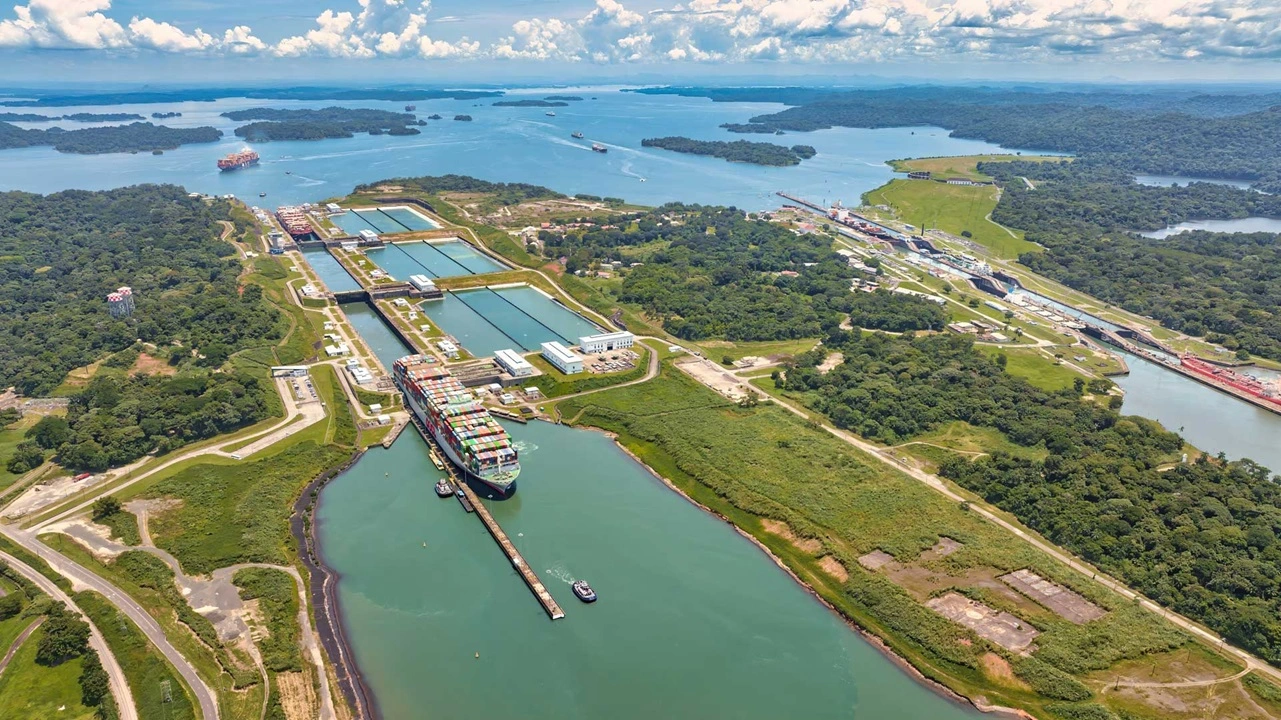
The pushback came from the top. Panama’s foreign ministry, customs authority and the zone’s own management all moved to reject claims they said unfairly cast the hub as tolerant of organised crime.
For a foreign reader, the stakes go beyond pride. The zone is a pillar of Panama’s trade-based economy, and its reputation shapes how banks, insurers and investors treat the whole country.
Free-trade zones are special economic areas where goods can be imported, stored, repackaged and re-exported without paying the usual customs duties or taxes. They exist to attract international commerce by lowering costs and simplifying paperwork for companies that use a country as a logistics bridge rather than a final market.
One-stop reference
Company Intelligence
Every listed company in Latin America — financials, ownership and structure for 1,450+ companies across 26 exchanges, in one place.
What the Colón Free Zone dispute is about
The row was triggered by an international report. A private coalition that campaigns against illicit trade assessed Central America and singled out the zone as a weak point in the region’s defences.
Its language was harsh. The report described the zone as a notorious transshipment point for sanctioned, counterfeit and contraband goods, and revived an old nickname casting it as a paradise for smugglers.
Transshipment means moving cargo from one vessel or vehicle to another during its journey to a final destination. In trade enforcement, the term often signals concern that goods are being rerouted to disguise their true origin or to evade sanctions and controls.
The zone’s manager hit back hard. She called the claims excessive, false and baseless, and suggested the group was serving the commercial interests of its own corporate backers.
Officials also disputed the facts. They argued the report leaned on outdated cases from more than two years ago, and even misstated basic details about how the zone and its ports are run.
Panama’s defence in numbers
The government’s core argument was one of scale. It said illegal incidents amount to a minuscule share of a platform that moves more than 25 billion dollars in goods each year.
Authorities also pointed to enforcement. They cited heavy investment in scanners, surveillance cameras and advanced technology, and stressed a stated policy of zero tolerance for smuggling and laundering.
There is a jurisdictional twist, too. Officials noted that policing goods entering or leaving the country legally falls to the national customs authority, not to the free zone’s own administrators.
This division of responsibility matters because it determines who can inspect shipments, who has legal power to seize contraband, and ultimately who gets blamed when illicit goods slip through. Free zones typically manage the commercial operations inside their perimeters, while national customs control the borders.
Enforcement figures back part of the case. The customs authority says it has seized well over a billion dollars in goods, and Panama intercepted dozens of tonnes of cocaine last year, much of it in the Colón region.
The tobacco trade is a particular flashpoint. The report claimed some market segments are dominated by contraband cigarettes, much of it passing through Panama not for local sale but for re-export to South America.
A more complicated picture
The report was not all criticism. It actually ranked Panama second in Central America for its performance against illicit trade, praising recent gains in customs capacity and regulation.
Panama has genuine progress to show. It has exited both an international money-laundering grey list and the European Union’s list of high-risk jurisdictions, milestones officials are keen to protect.
Being removed from such lists is not merely symbolic. It affects whether foreign banks will process transactions, whether correspondent banking relationships remain open, and whether companies face extra scrutiny or higher costs when doing business with Panamanian counterparts.
Yet the underlying warning is not baseless. The very features that make Panama a logistics powerhouse, its ports and free zones, are the ones criminal networks try to exploit to move goods across the region.
The threat is also shifting shape. Investigators say that as container controls tighten, smugglers are moving to small parcels sent by air and e-commerce, a challenge for customs everywhere.
What remains to be seen is whether Panama can maintain its improved standing while managing the inherent tension between speed and scrutiny in a major trade hub. Will tighter enforcement slow commerce enough to push business elsewhere, or will technology and coordination allow both goals at once?
Frequently Asked Questions
What is the Colón Free Zone?
The Colón Free Zone, at the Caribbean end of the Panama Canal, is the largest free-trade zone in the Americas and a major global re-export hub. Companies import, store and re-export goods there with tax and customs advantages, and the zone moves around 25 billion dollars in trade a year.
Why did Panama reject the report?
Officials said the report unfairly portrayed the zone as tolerant of organised crime, relied on outdated cases and damaged Panama’s economy. They argued illegal incidents are a tiny fraction of total trade and pointed to investment in scanners, technology and a zero-tolerance policy.
Why does this matter for investors?
Panama’s economy depends on its reputation as a clean, efficient trade and financial hub. Claims linking its flagship free zone to smuggling and laundering can affect banking relationships, insurance and investor confidence across the whole country.











 English (US) ·
  French (CA) ·
  French (FR) ·