


A major nuclear power has declared an "open war" on its neighbouring country after launching a wave of overnight strikes.
Pakistan's defence minister said his country had run out of "patience" and is now in an "open war" with Afghanistan. Khawaja Mohammad Asif claimed the Taliban had turned Afghanistan "into a colony of India", amassed militants from around the world and begun "exporting terrorism". "Our patience has now run out. Now it is open war between us," he wrote on X.
Pakistan has repeatedly accused neighbouring India of backing the ethno-nationalist Baloch Liberation Army and the Pakistani Taliban - allegations New Delhi denies.
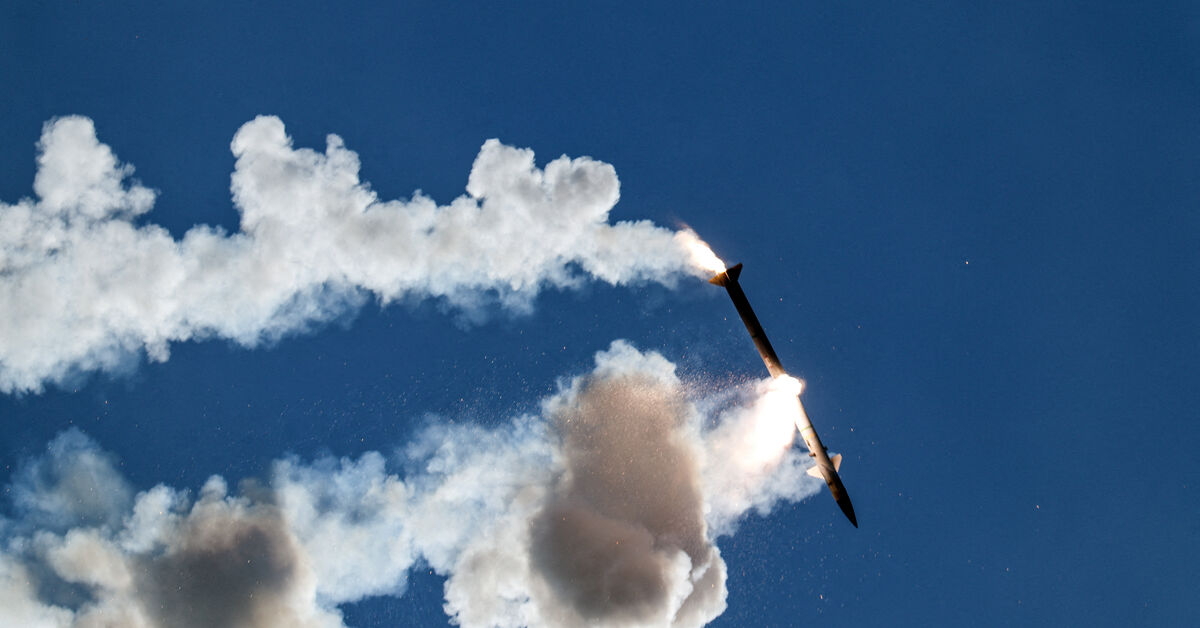
Khawaja's declaration came hours after Pakistan launched a series of "retaliatory" air strikes on the Afghan capital of Kabul, as well as Kandahar in the south and Paktia province in the south-east.
Ensure our latest headlines always appear at the top of your Google Search by making us a Preferred Source. Click here to activate or add us as your Preferred Source in your Google search settings.
Image:
AFP via Getty Images)Explosions and the sound of jets rang out across Kabul at around 1.50am AFT (9.20pm GMT Thursday), with gunfire reportedly heard until 2.30am.
Islamabad said the strikes were launched in retaliation for an Afghan Taliban operation along their shared border, which it said killed two Pakistani soldiers on Thursday night local time. The Taliban claimed its own strikes killed "numerous" Pakistani soldiers and captured others - claims denied by Islamabad.
Defence Minister Khawaja said in his X post that Pakistan had been left with no choice but to declare a "open war" as it had already "engaged in full-fledged diplomacy". Islamabad had hoped for peace in Afghanistan after the withdrawal of NATO forces and expected the Taliban to focus on the welfare of the Afghan people and regional stability, he said.
Image:
AFP via Getty Images)Pakistani Prime Minister Shehbaz Sharif praised the military's response. "Our armed forces' response is comprehensive & decisive," he wrote on X on Friday morning. "Those who mistake our peace for weakness will face a strong response - and no one will be beyond reach."
The Afghan Taliban "will retaliate if we are attacked, but we won't start clashes at the moment," a military spokesperson for the organisation told the BBC.
It remains unclear how many casualties each side has suffered as both governments have issued sharply differing accounts, each claiming to have inflicted heavy losses on the other.
Afghanistan's Defence Ministry said that 55 Pakistani soldiers had been killed, including some whose bodies were taken into Afghanistan, and that "several others were captured alive". It said eight Afghan soldiers were killed and 11 wounded.
Image:
Anadolu via Getty Images)The ministry also claimed it destroyed 19 Pakistani army posts and two bases and that the fighting ended around midnight, about four hours after it began on Thursday.
But Pakistan's Information Minister Attaullah Tarar said two Pakistani soldiers were killed and three wounded.
Meanwhile, at least 133 Afghan fighters were killed and more than 200 wounded by Pakistani forces, a spokesman for the Pakistani PM claimed. He said 27 Afghan posts were destroyed and nine fighters captured. He did not specify where the casualties occurred. The spokesman denied that any Pakistani soldiers had been captured by the Taliban.
A resident of Dashti Barchi in Kabul's District 6, told the BBC that his house shook violently due to an explosion caused by one of the strikes. "First, we thought it was an earthquake, because there was an earthquake in Kabul a few days ago," he said. "Then we heard a loud explosion."
The resident added that people in the neighbourhood rushed outside and stayed awake throughout the night. “No-one slept after that. Everyone was afraid," he added.
Image:
AFP via Getty Images)In Islamabad, two senior security officials said Afghan forces at some border posts had raised white flags - a gesture typically interpreted as a request to halt firing. The officials said Pakistani forces were continuing what they described as a retaliatory response to "unprovoked aggression" by the Afghan Taliban and had destroyed several key Taliban posts along the border.
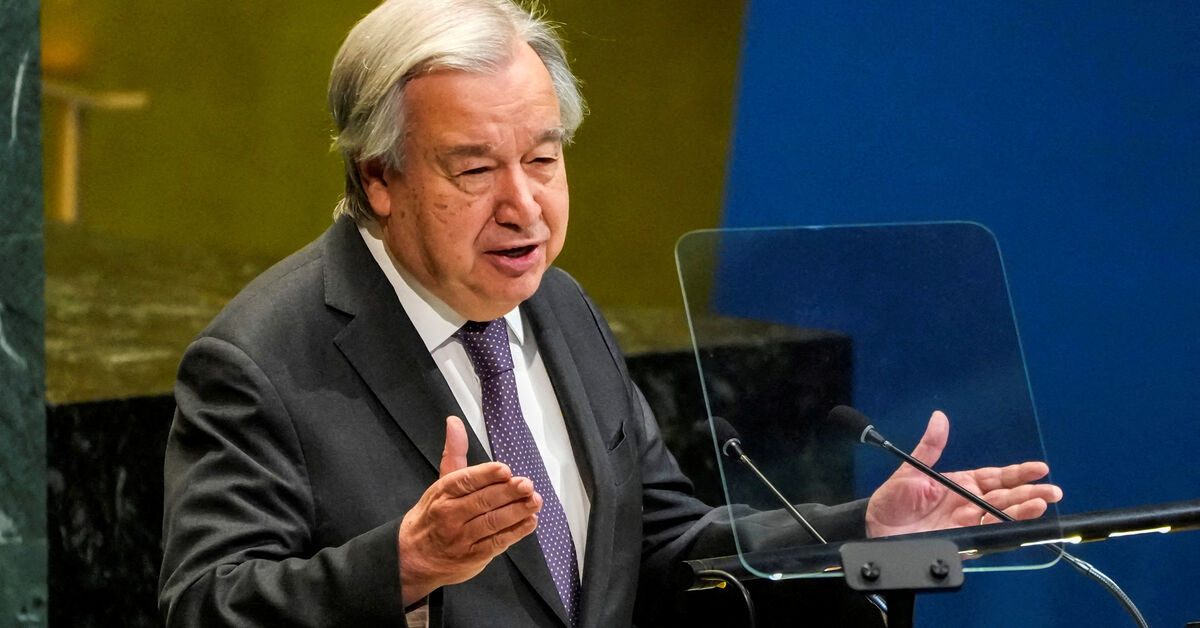
UN Secretary-General Antonio Guterres urged both nations to adhere strictly to their obligations under international law, particularly humanitarian law.
The strikes mark the latest escalation between the two neighbours after months of cross-border clashes. A flare-up in October was calmed by a fragile ceasefire, but negotiations failed to secure a lasting agreement.

















 English (US) ·
  French (CA) ·
  French (FR) ·