

 3 months ago
38
3 months ago
38
PROTECT YOURSELF with Orgo-Life® QUANTUM TECHNOLOGY
Orgo-Life the new way to the future Advertising by AdpathwayNorth Korea fired a volley of ballistic missiles into the sea off its east coast on March 14, a provocative display of force that comes during large-scale military exercises between the United States and South Korea. It is North Korea’s third missile launch this year, and the first since January 27.
According to South Korea’s Joint Chiefs of Staff (JCS), the North launched approximately 10 short-range ballistic missiles from the Sunan area near Pyongyang at approximately 1:20 p.m. KST. The missiles flew roughly 350 kilometers (217 miles) before splashing down into the waters between the Korean Peninsula and Japan.
A day after the launch, the North’s state-controlled Korean Central News Agency (KCNA) said that “twelve 600mm-caliber ultra-precision multiple rocket launchers and two artillery companies” were involved in the missile test.
“The launched rockets battered the island target in the East Sea of Korea about 364.4 km away with the accuracy of 100 percent, proving once again the destructive capability of their concentration strike and the system’s military value once again,” KCNA reported.
While justifying his aggressive moves to beef up his country’s nuclear capabilities as a means for self-defense, Kim Jong Un, the autocratic leader of North Korea, touted the capabilities of the missiles launched on Saturday. Kim threatened that any country that might be attacked by the tested weapons cannot survive.
“As I have already stated, our powerful attacking capability is, in effect, for defending ourselves,” Kim was quoted as saying in a KCNA report. “But in case such deterrents of a defensive nature do not prevent foreign forces from launching an armed provocation or invading our state to jeopardize the security of its sovereignty, they will immediately be used for their second mission, i.e., as a means of massive, destructive strike.”
The Office of National Security at the South’s Presidential Blue House held an emergency meeting and condemned the North’s ballistic missile launch, which is a clear violation of the United Nations Security Council resolutions. The Office also urged the North to halt an act of provocation.
On March 10, Kim Yo Jong, the powerful sister of Kim Jong Un, issued a statement warning Pyongyang of responsive measures against the “Freedom Shield” exercises, the annual U.S.-South Korea military exercise. As Pyongyang has a history of conducting missile launches during the joint military exercises between the U.S. and South Korea, Seoul and Washington would not have been surprised by Saturday’s missile launch.
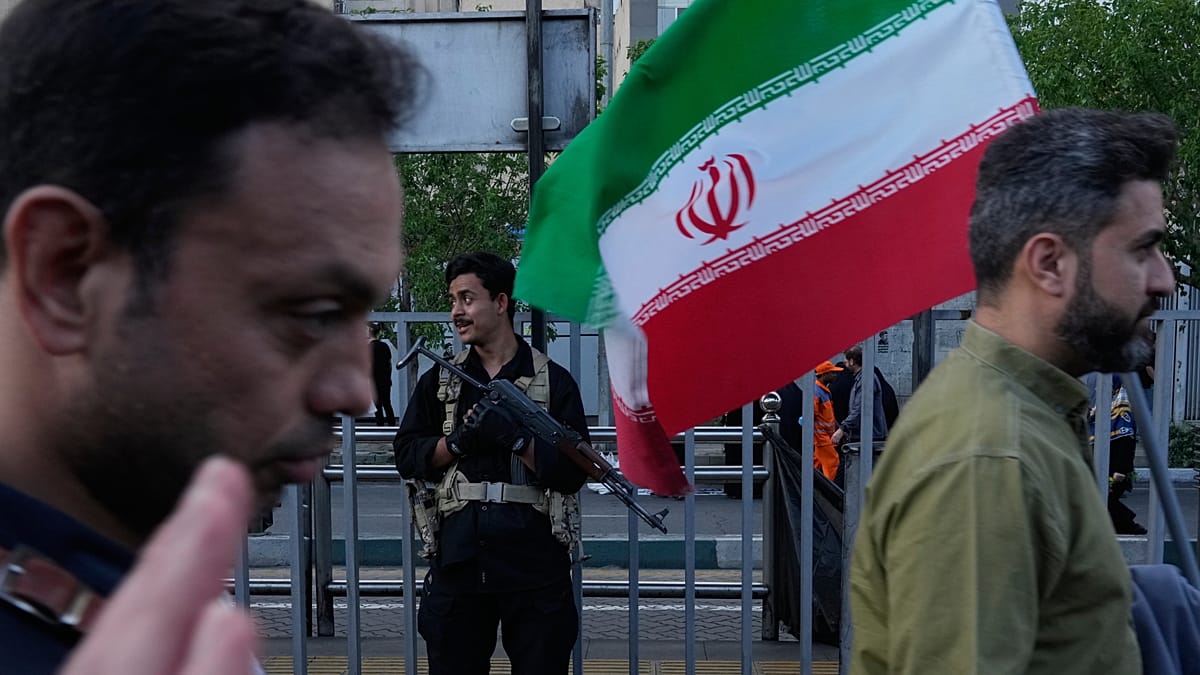
However, what caught the attention of observers was the number of missiles Pyongyang launched. While North Korea frequently conducts missile tests to coincide with allied drills, the scale of this particular launch – firing 10 missiles simultaneously – is highly unusual. This move seems to be a calculated attempt to project power during a period of intense global volatility, particularly as the United States finds its diplomatic and military resources stretched thin by its ongoing conflict with Iran and the protracted war in Ukraine.
The current reality on the peninsula remains locked in a cycle of action and reaction. This latest launch follows the classic North Korean playbook: utilizing allied military exercises as a pretext to refine its arsenal and consolidate domestic loyalty. By increasing the volume of the launch to 10 missiles, Pyongyang is signaling its refusal to be sidelined by the crises in the Middle East and Europe. It is a desperate bid for presence in a crowded geopolitical theater.
Yet, despite the quantitative increase in missile fire, these provocations may fall short of shifting Washington’s immediate priorities. Unless the North executes a seventh nuclear test – a move many believe is the only remaining card that could force it to the top of the U.S. foreign policy agenda – Pyongyang is unlikely to gain the level of attention from Trump or the current administration that it craves.
During a recent visit to the United States, South Korean Prime Minister Kim Min-seok held a private meeting with U.S. President Donald Trump. According to local media reports, Trump asked the South Korean prime minister whether Kim Jong Un was still interested in dialogue with him, signaling a potential opening for a return to high-stakes personal diplomacy should political tides shift. As North Korea also made clear that it has no reason not to hold dialogue with Washington when the conditions are met, Pyongyang is likely looking toward Chinese leader Xi Jinping’s scheduled summit meeting with Trump in Beijing in April as a pivotal moment. There is a strong possibility that North Korea will use unofficial channels during this window to gauge Washington’s appetite for a renewed summit.
If Xi is to serve as an effective mediator, South Korean President Lee Jae-myung must play a proactive role. To break the current deadlock and de-escalate the hardening military tensions, Seoul must now seek a new and sophisticated diplomatic policy that leverages Beijing’s influence while navigating the complex relationship between Washington and Pyongyang as a “pacemaker.”





![Dragon Quest’s next quest is a journey to Yoshinoya for awesome Slime toy meals[Photos]](https://soranews24.com/wp-content/uploads/sites/3/2026/06/2_90ac09.jpg?w=1200&h=630&crop=1)















 English (US) ·
  French (CA) ·
  French (FR) ·