

 1 week ago
36
PROTECT YOURSELF with Orgo-Life® QUANTUM TECHNOLOGY
Orgo-Life the new way to the future Advertising by AdpathwayKey Facts
—Prediction markets. Polymarket, a prediction market, gives President Bola Tinubu 73%, opposition candidate Peter Obi 24.5% (US$159,005 traded; 4:03 a.m. ET, 14 Nov).
—When. Nigeria’s presidential vote is Saturday 16 January 2027; governorship votes follow on 6 February.
Free daily brief — no card needed
Get every Africa story in one morning email
We build you a personalized brief around the topics you follow — free for 7 days. Love it? Your first month after that is US$1.
Yes, email me my free daily brief — I can unsubscribe any time.
—Peace accord. The National Peace Committee logged 109 breaches of its pledge against violence, 19 August to 27 October 2026.
—Attacks. Civil-society monitors counted 70 election attacks and 27 deaths, 1 January to 27 October 2026.
—Fear. 61% of Nigerians surveyed in September fear violence could stop them voting.
—As of 14 November 2026, 09:30 GMT.
Nigeria is heading into its January 2027 election with monitors counting attacks on candidates, supporters and rallies almost every week. Africa’s most populous country votes for a president on Saturday 16 January 2027, nine weeks from today.
A Vote Moved Forward to January
Nigeria’s Independent National Electoral Commission (INEC), which runs the country’s elections, set the presidential and National Assembly (parliament) votes for Saturday 16 January 2027 in a revised timetable issued in late February 2026. Governorship and state assembly elections follow on Saturday 6 February 2027.
Presidential campaigning opened on 19 August 2026, under the same timetable. The 16 January vote and the 6 February governorship vote are the next fixed checkpoints on INEC’s calendar.
Follow this story
Get an email when there’s news on Nigeria elections
What the Monitors Count
The African Centre for Security, Governance and Development (CentreSGD), a Nigerian civil-society group, said in a statement reported on 9 November 2026 that it recorded 70 physical election-related attacks across 19 states and the capital territory of Abuja between 1 January and 27 October. Twenty of those incidents caused deaths, 27 in total.
It cited a reported attack on supporters of the Nigeria Democratic Congress (NDC), Peter Obi’s party, at Enugu’s airport on 10 October, reported attacks on convoys of the ruling All Progressives Congress (APC) in Katsina State on 28 and 31 October, and reported attacks on convoys of the opposition African Democratic Congress (ADC) in Kebbi State on 5 November, including that of former vice president Atiku Abubakar. Amnesty International Nigeria, a human rights group, condemned the Kebbi attacks.
CentreSGD noted that some allegations are disputed and that police made arrests in the Katsina and Ekiti state cases. A Federal High Court judgment on 5 November voided the ADC leadership’s decisions, including the process that chose Atiku as its presidential candidate, and the party is appealing.
The National Peace Committee, a panel chaired by former head of state Abdulsalami Abubakar, oversees the National Peace Accord, a pledge against violence signed on 18 August 2026. Its monitoring report, reported on 11 and 12 November 2026, logged 109 breaches across 26 states and the capital territory between 19 August and 27 October, about 11 a week.
Political violence and thuggery accounted for 33 of the 109 cases and misinformation for 29, with 19 attacks on political activities and 15 cases of intimidation. Kaduna State recorded the most cases, nine.

Why Voters Are Worried
Yiaga Africa, an election-monitoring group, found in a September 2026 survey that 61% of Nigerians feared violence could stop them from voting, rising to 78% in the North-East region, according to CentreSGD’s summary. The same survey found 84% likely or very likely to vote.
Our reports cover the attack on Atiku’s convoy in Kebbi, and our explainer on Nigeria’s 2027 election date dispute sets out the timetable.
What It Means for Readers Abroad
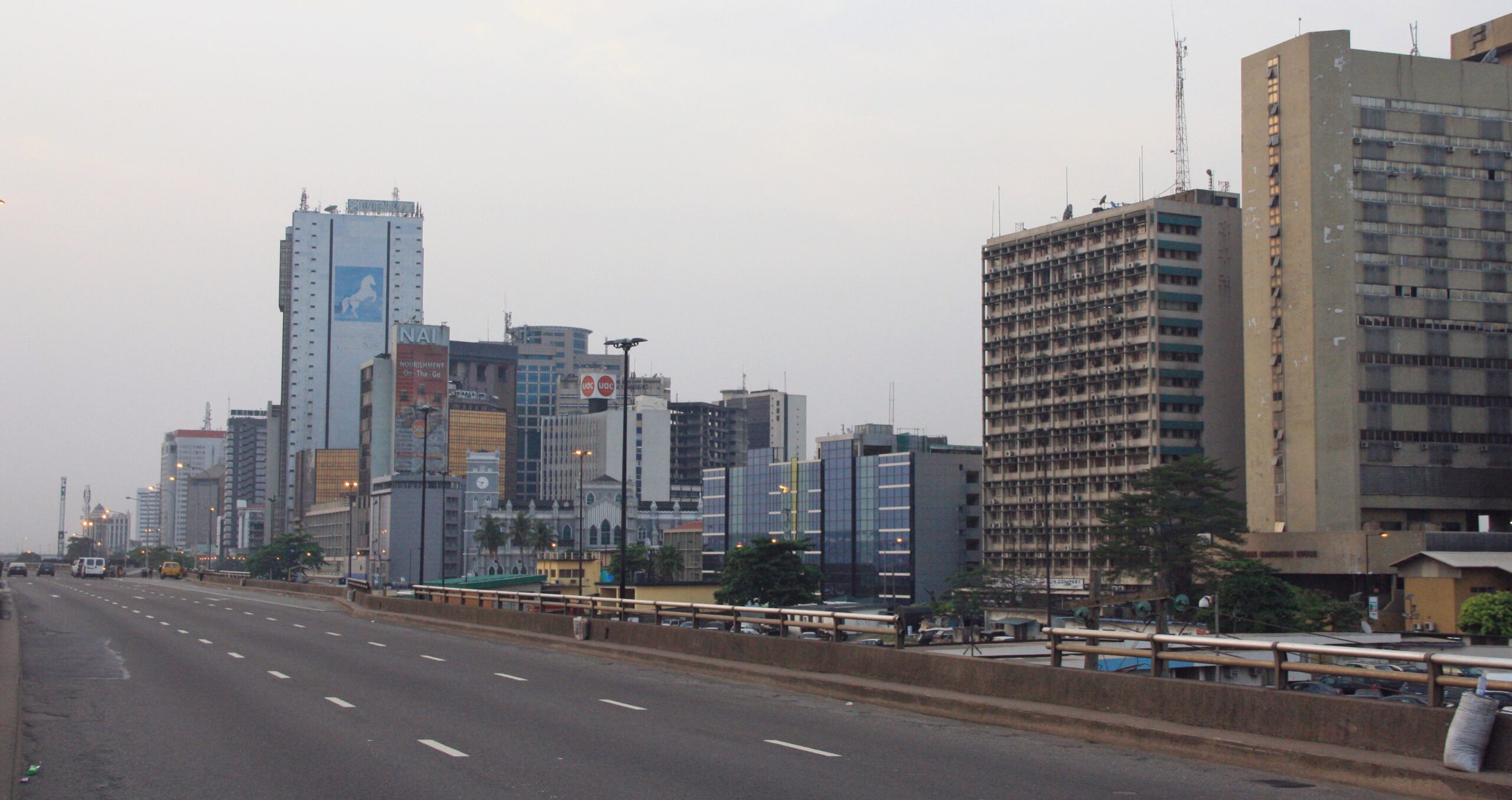
Voters, candidates and party workers carry the risk first, and 61% of those surveyed say fear could stop them voting. Nigeria is also Africa’s most populous country and a major oil producer, so a violent or disputed vote would matter to investors and governments well beyond the continent.
Travellers can find practical advice in our guide to visiting Lagos for the vote. More coverage sits on our Nigeria news page.
What Prediction Markets Say
Polymarket, a prediction market where users bet real money, priced President Bola Tinubu at 73.0%, Peter Obi at 24.5% and Atiku Abubakar at about 3% to win the presidency, with US$159,005 traded in total (read at 4:03 a.m. US Eastern on 14 November 2026). These are bets, not polls, and the price says nothing about how much violence to expect.
Why we show this: prediction markets turn real-money bets into a live probability that moves within minutes of the news, which is why investors, campaigns and newsrooms in the United States now follow them closely. We show them next to polls and official results, never instead of them.
What Is Not Known
The two counts use different methods, so the 70 attacks and the 109 breaches cannot be added together. We do not know who is behind most of the incidents, or how many have led to arrests.
Frequently Asked Questions
When is Nigeria’s 2027 presidential election?
On Saturday 16 January 2027, according to INEC’s revised timetable. Governorship elections follow on Saturday 6 February 2027.
How much election violence has Nigeria recorded in 2026?
CentreSGD counted 70 physical election-related attacks and 27 deaths between 1 January and 27 October 2026. The National Peace Committee logged 109 accord breaches in 26 states and Abuja between 19 August and 27 October.
Who is favoured in prediction markets?
Polymarket priced President Bola Tinubu at 73.0% on 14 November 2026. These are bets, not polls.
What is the National Peace Accord?
It is a pledge to avoid violence, signed on 18 August 2026. The National Peace Committee, chaired by Abdulsalami Abubakar, monitors compliance.
Sources: Independent National Electoral Commission revised election timetable, February 2026 (inecnigeria.org); CentreSGD statement, 9 November 2026; National Peace Committee monitoring report, as reported on 11 and 12 November 2026; Yiaga Africa survey, September 2026 (as summarised by CentreSGD); Polymarket (Nigerian presidential election winner market).
This article was produced by The Rio Times’ automated AI newsroom. Editorial responsibility: Matthias Camenzind, Publisher and Editor-in-Chief. The Rio Times also runs Ask Rio Times, which answers from 100,000+ of our own articles, the daily Latin America Power Map, and prediction-market odds on elections and markets.. How we use AI · Report an error















 English (US) ·
 French (CA) ·
 French (FR) ·