

.png) 2 hours ago
4
PROTECT YOURSELF with Orgo-Life® QUANTUM TECHNOLOGY
Orgo-Life the new way to the future Advertising by Adpathway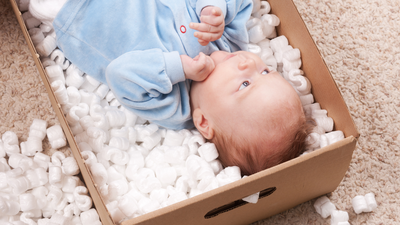
Can you imagine sending your precious baby through post?
Back in the olden days, travel wasn't as cheap and convenient as it is today. So, parents had to get a little creative to save a quick buck. But one child's parents took penny-pinching a bit too far.In January 1913, Jesse and Mathilda Beagle of Ohio found an unusual way to send their eight-month-old son, James, to his grandmother's house. Instead of buying a train ticket, the couple took advantage of the newly introduced US Postal Service's Parcel Post system. They paid 15 cents in postage, insured their son for $50 and handed him over to the mail carrier for delivery. The grandmother lived only a few miles away in Batavia, making it a relatively short journey for the infant.
James weighed just under 11 pounds, narrowly meeting the weight limit for parcels accepted by the postal service.What sounds like quite a turbulent trip now, was a rather unusual interpretation of the postal service's new rules back then.
How children became parcels
When the US Postal Service introduced its Parcel Post service on January 1, 1913, Americans could suddenly send packages weighing more than four pounds through the mail. This was a game changer for those rural communities, which had limited access to shops and private delivery services.
However, the regulations surrounding what could and could not be posted were not particularly clear in the early days.People began testing the limits of the new service, sending everything from eggs and bricks to snakes and other unusual items. With no explicit regulation prohibiting the mailing of human beings, some parents saw an opportunity to send their children to relatives at a fraction of the cost of a passenger train ticket.Between 1913 and 1915, historians at the Smithsonian's National Postal Museum identified approximately seven instances of children being sent through the US postal system. While the practice was hardly widespread, it occasionally made newspaper headlines, particularly when children travelled considerable distances.The journeys were not always as alarming as they sound. In rural America, postal workers were often familiar faces in their communities, known to the families along their delivery routes.
Some parents entrusted their children to carriers they knew personally, rather than handing them over to complete strangers. The children were also not necessarily stuffed into mailbags alongside parcels. They were sometimes accompanied by postal employees, particularly when travelling by railway mail.
The little girl who travelled 73 miles
One of the most well-known instances involved six-year-old May Pierstorff from Grangeville, Idaho. On February 19, 1914, her parents arranged for her to travel approximately 73 miles by railway mail to visit her grandparents.Her parents paid 53 cents in postage, attaching the stamps to her coat before handing her over to the postal service. Fortunately, May was accompanied by a relative who worked as a clerk for the Railway Mail Service, making the journey considerably safer than it might otherwise have been. Her story eventually became so well known that it inspired the children's book Mailing May.The incident, however, caught the attention of Postmaster General Albert S.
Burleson. Alongside another inquiry about sending children through the mail that month, May's journey prompted him to formally prohibit postal workers from accepting human beings as mail.The new restriction did not immediately put an end to the practice. In 1915, a woman in Florida managed to send her six-year-old daughter approximately 720 miles to her grandfather's home in Virginia. The journey became the longest known instance of a child being transported through the US postal system, with postage costing just 15 cents.
The last recorded postal delivery of a child
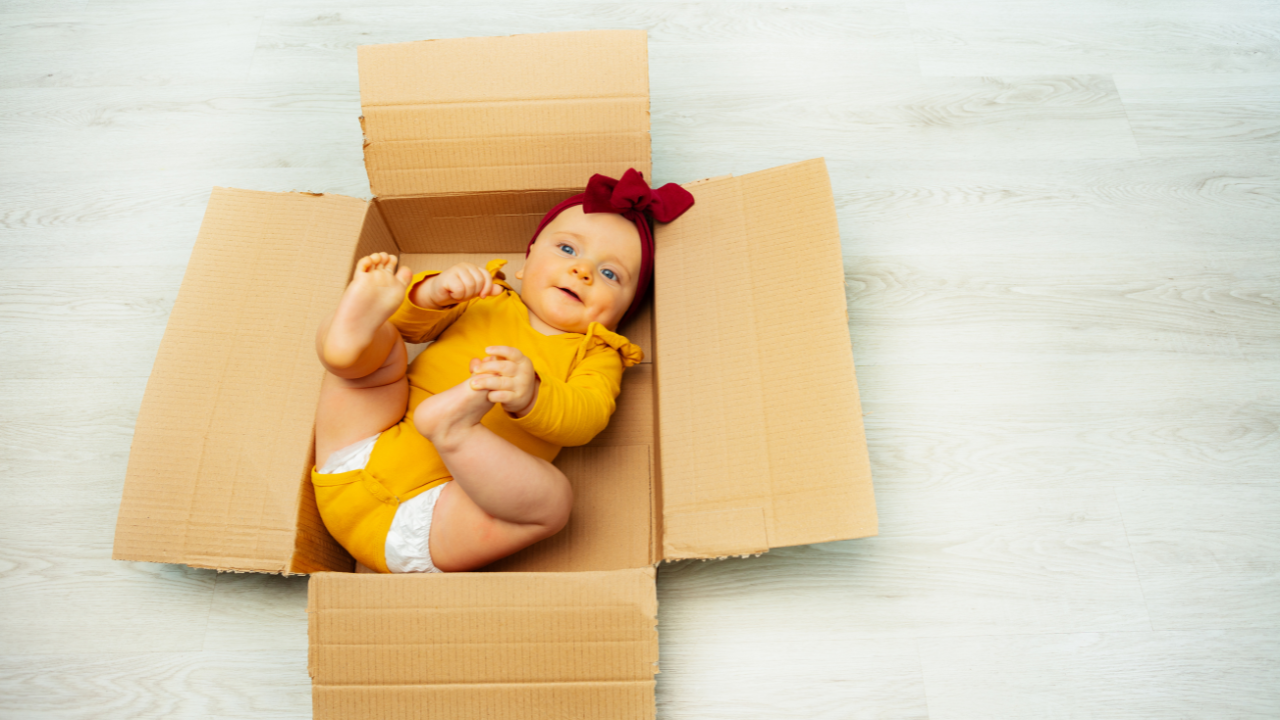
Eventually (and thankfully), sending babies by post was put to a halt.
In August 1915, three-year-old Maud Smith made what appears to be the last successful journey of a child through the US postal service. Her grandparents arranged for her to travel approximately 40 miles across Kentucky to visit her sick mother.The incident attracted newspaper attention and prompted an investigation by John Clark, superintendent of the Cincinnati division of the Railway Mail Service. He questioned how the postmaster in Caney, Kentucky, had permitted a child to board a mail train despite the recently introduced restrictions.Although the exact consequences for the local postmaster remain unclear, the incident brought further attention to the need for stricter enforcement of postal regulations.Even years later, some parents continued to enquire about sending their children through the mail. In June 1920, First Assistant Postmaster General John C. Koons rejected two such applications, clarifying that children could not be classified as harmless live animals eligible for postal transportation.
When the postman was more than a delivery person
While the idea of sending children through the mail might seem like a rather alarming example of parental penny-pinching, it also reveals something about rural American communities in the early 20th century.Postal workers were often among the few people who visited remote households regularly. They delivered letters, parcels and essential supplies, but their responsibilities could extend well beyond their official duties.
Familiar with the families on their routes, some carriers helped during medical emergencies, assisted with deliveries and checked on people who lived alone.The introduction of Parcel Post had been intended to make goods and services more accessible, particularly to people living far from commercial centres. Instead, its loosely defined early regulations briefly opened the door to some rather unexpected deliveries. The postal service eventually tightened its rules, but the stories of children travelling hundreds of miles with stamps pinned to their clothes remain a curious footnote in American postal history.Maybe now if your kids ask you where babies come from, saying through post won't be completely false.




















 English (US) ·
 French (CA) ·
 French (FR) ·