

PROTECT YOURSELF with Orgo-Life® QUANTUM TECHNOLOGY
Orgo-Life the new way to the future Advertising by AdpathwayPet owners across Texas and New Mexico are being urged to stay alert after more than 30 confirmed cases of New World screwworm infestations—including two in dogs—triggered urgent warnings from veterinarians and animal welfare groups.
The flesh-eating parasite, which preys on living tissue, returned to the U.S. in June for the first time in more than 50 years after spreading north through Panama in 2024 and Mexico in 2025. While the outbreak poses a major threat to the nation's $113 billion cattle industry, experts warn the larvae can infest almost any warm-blooded animal, including dogs, cats, wildlife and, in rare cases, humans.
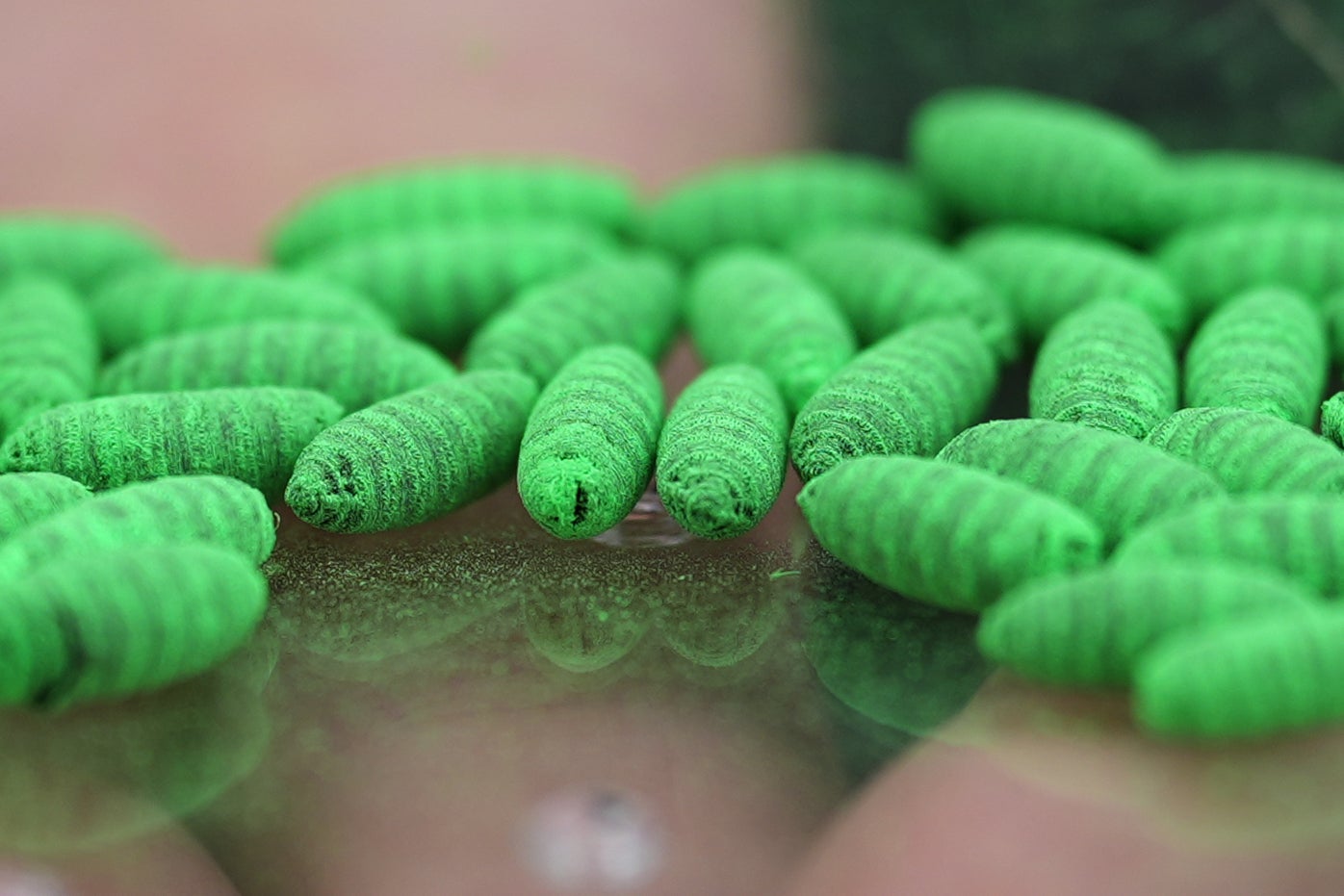
Unlike most fly larvae, which feed on dead tissue, New World screwworms burrow into living flesh. Female flies lay eggs in open wounds or mucous membranes, where the larvae hatch and feed for about a week before dropping to the ground to mature into adult flies.
Animals with recent injuries, surgical wounds or even small bites are especially vulnerable. Aaron Grady, executive director of the Houston Humane Society, warned that something as minor as a tick bite can become an entry point for the parasite.
Veterinarians are urging owners in southern and southwestern Texas and southeastern New Mexico to inspect pets daily for cuts, bites or unusual wounds. Warning signs include visible maggots or movement inside a wound, a foul odor, unexplained anxiety, or pets obsessively licking or chewing one area of their body.
Anyone who spots those symptoms should seek veterinary care immediately.

Infested animals can suffer intense pain, and untreated cases can prove fatal. The larvae can trigger deadly infections, send animals into shock or invade vital organs if left unchecked.
To help prevent infestations, shelters and veterinarians across Texas are treating animals with prescription flea and tick medications, which also kill screwworm larvae as they feed.
"It will kill the larvae as they ingest the blood and tissue," said Melissa Stansell, a veterinarian with Austin Pets Alive!, adding that the medications target the parasite during its larval stage.

The good news, veterinarians say, is that animals can make a full recovery if treatment begins quickly. Care typically includes removing the larvae and treating secondary infections with antibiotics.
"It is only fatal if left untreated," Stansell said.
Federal and state officials are also reviving the strategy that wiped out the pest decades ago: releasing millions of sterile male flies. Because female screwworm flies mate only once, breeding with a sterile male prevents their eggs from hatching, gradually collapsing the local population.
For years, the Western Hemisphere relied on a single sterile-fly production facility in Panama. The U.S. Department of Agriculture has since invested $21 million to convert a facility in southern Mexico into a screwworm breeding center, which recently began operations.
The agency also plans to spend $750 million on a new sterile-fly production facility in Texas, scheduled to open next year as officials race to stop the parasite from gaining a permanent foothold in the United States.















 English (US) ·
  French (CA) ·
  French (FR) ·