

 2 months ago
24
2 months ago
24
PROTECT YOURSELF with Orgo-Life® QUANTUM TECHNOLOGY
Orgo-Life the new way to the future Advertising by Adpathway
No press briefing has been held for months, as the defence department belatedly or inaccurately releases figures
3 min readJul 26, 2026 05:03 AM IST First published on: Jul 26, 2026 at 04:57 AM IST
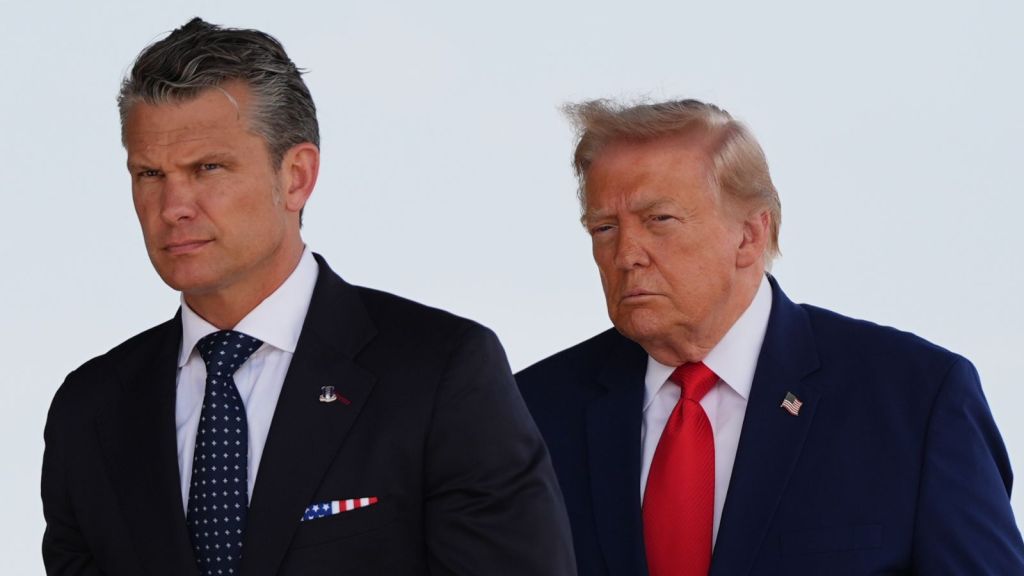 Defense Secretary Pete Hegseth and President Donald Trump attend the dignified transfer of four US service members recently killed in the Middle East. (Photo: AP)
The Pentagon is taking a “shameful approach” to sharing information about US casualties in the Iran war, former defence secretary Leon Panetta told The Guardian.
The defence department has not held a press briefing in two and a half months, fuelling claims that officials are hiding the true cost of the conflict ahead of November’s midterm elections.
What do the casualty figures show?
US troop deaths in the war rose to 18 last weekend, with around 430 troops injured, The Guardian reported. The Pentagon said on Monday that 100 service members had been hurt since 7 July, though it said 96 per cent had returned to duty.
According to a New York Times report, the department had first failed to disclose the figures, only confirming them later in a social media post. A separate Times report found the Pentagon’s website had lowered the death toll from 18 to 14; a spokesperson blamed “a temporary data disruption.”
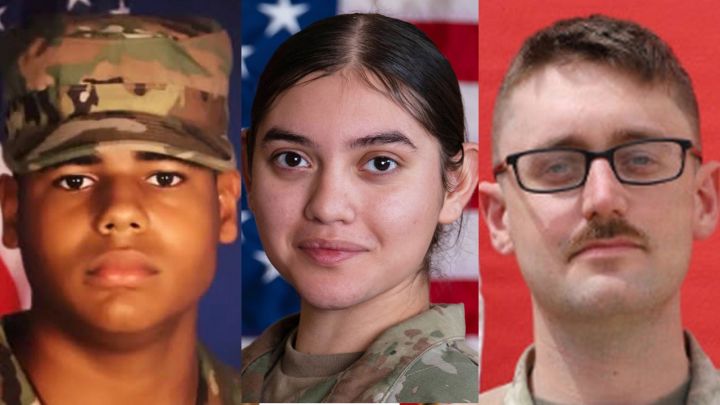 US military identifies 3rd service member believed to have been killed in Iranian attack. (Photo: AP)
Panetta, who held weekly Pentagon briefings during the Afghanistan and Iraq wars, said, “There’s a deliberate effort here to basically withhold information from the American people,” according to The Guardian. Ned Price, a former state department spokesperson, said the aim goes beyond usual friction with the press, and is instead about shielding the public from the war’s true cost.
Story continues below this ad
Janessa Goldbeck of the Vet Voice Foundation said the lack of timely reporting raises real questions about the administration’s motives, adding that many injuries may not surface for months or years.
How has press access changed?
Since the war began five months ago, the Pentagon has steadily restricted media access, The Guardian reported. Major outlets including The New York Times, NPR and Politico lost their long-held desks early on, replaced by outlets seen as friendly to Trump.
In October, most news organisations gave up their access badges rather than accept rules exposing them to expulsion for reporting unapproved information. Reporters Without Borders said this Pentagon has been more hostile to the media than any in recent memory.
Spokesperson Sean Parnell denied the department was minimising casualty reports, saying it had consistently provided real-time updates on US operations in Iran.
Story continues below this ad
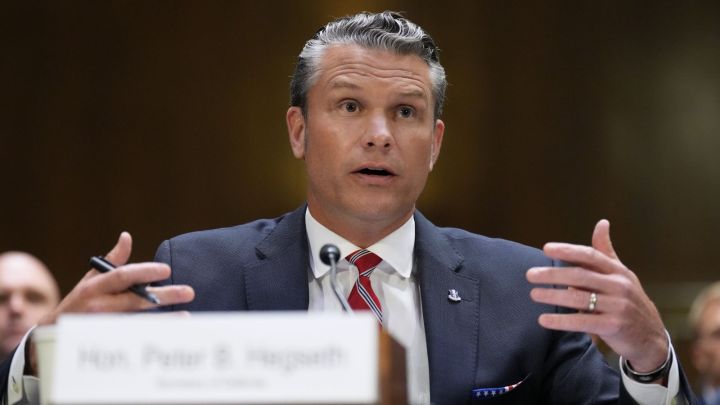 Defense Secretary Pete Hegseth testifies at a Senate Appropriations Committee hearing. (Photo: AP)
Despite the lack of briefings, reporters continue pursuing information through other sources, The Guardian reported. Steven Cash of the Steady State advocacy group said the administration appears to view the press and public as adversaries rather than stakeholders.
Panetta said officials may be hoping that saying less limits controversy, but predicted the truth would eventually come out regardless.
The Express Global Desk at indianexpress.com which delivers authoritative, verified, and context-driven coverage of key international developments shaping global politics, policy, and migration trends. The desk focuses on stories with direct relevance for Indian and global audiences, combining breaking news with in-depth explainers and analysis. A major focus area of the desk is US immigration and visa policy, including developments related to student visas, work permits, permanent residency pathways, executive actions, and court rulings. The Global Desk also closely tracks Canada’s immigration, visa, and study policies, covering changes to study permits, post-study work options, permanent residence programmes, and regulatory updates affecting migrants and international students. All reporting from the Global Desk adheres to The Indian Express’ editorial standards, relying on official data, government notifications, court documents, and on-record sources. The desk prioritises clarity, accuracy, and accountability, ensuring readers can navigate complex global systems with confidence. Core Team The Express Global Desk is led by a team of experienced journalists and editors with deep expertise in international affairs and migration policy: Aniruddha Dhar – Senior Assistant Editor with extensive experience in global affairs, international politics, and editorial leadership. Nischai Vats – Deputy Copy Editor specialising in US politics, US visa and immigration policy, and policy-driven international coverage. Mashkoora Khan – Sub-editor focusing on global developments, with a strong emphasis on Canada visa, immigration, and study-related policy coverage. ... Read More
© IE Online Media Services Pvt Ltd

Loading Recommendations...


















 English (US) ·
  French (CA) ·
  French (FR) ·