

 1 month ago
38
1 month ago
38
PROTECT YOURSELF with Orgo-Life® QUANTUM TECHNOLOGY
Orgo-Life the new way to the future Advertising by AdpathwayKazakh President Kassym-Jomart Tokayev paid an official visit to the seat of the European Union in Brussels this week, meeting with President of the European Council Antonio Costa and President of the European Commission Ursula von der Leyen. Kazakhstan walked away with around 10 billion euro in commercial deals.
Tokayev had published an article immediately before his visit to Brussels with Euronews, laying out his framing of the EU-Kazakhstan relationship. Last year, the two sides marked a decade since the signing of their Enhanced Partnership and Cooperation Agreement (EPCA). In setting the ambition for “building the next chapter of a strategic partnership,” in his article Tokayev sketched out three strategic goals: “1) strengthening resilience, 2) expanding connectivity of all kinds, and 3) creating new opportunities for citizens.”
“Geography and power are making a comeback,” Tokayev proclaimed, as if geography and power ever went away in international relations. The article highlighted Kazakhstan’s economic strength; the importance of energy security and energy interdependence in the EU-Kazakhstan relationship; connectivity, namely the Middle Corridor; AI, digital governance and innovation; and education.
(A brief aside: The Kazakh president pre-empting his own international trips with a publication to set the narrative is becoming something of a trend. In February, just as Tokayev was headed to Washington, D.C., he published an op-ed with The National Interest, pledging Kazakhstan as a “reliable” partner for the United States.)
It’s the connectivity piece that suffused the closing joint statement, and that underlines many of the governmental and commercial deals.
“Kazakhstan and Central Asia as a whole, is a natural global gateway,” von der Leyen wrote on X.
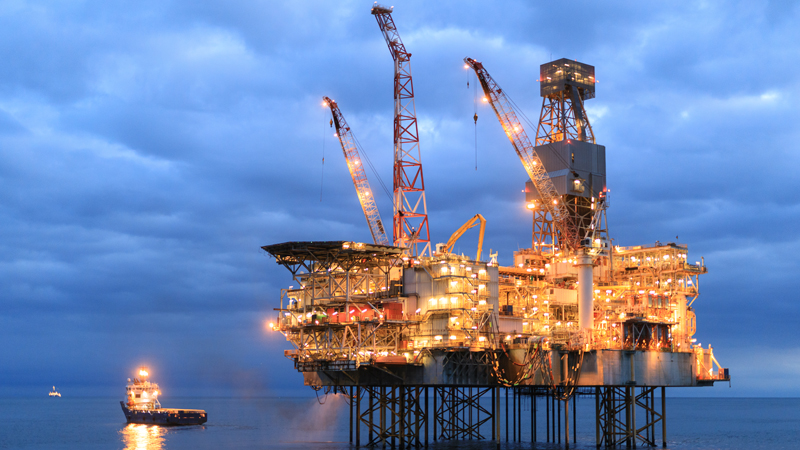
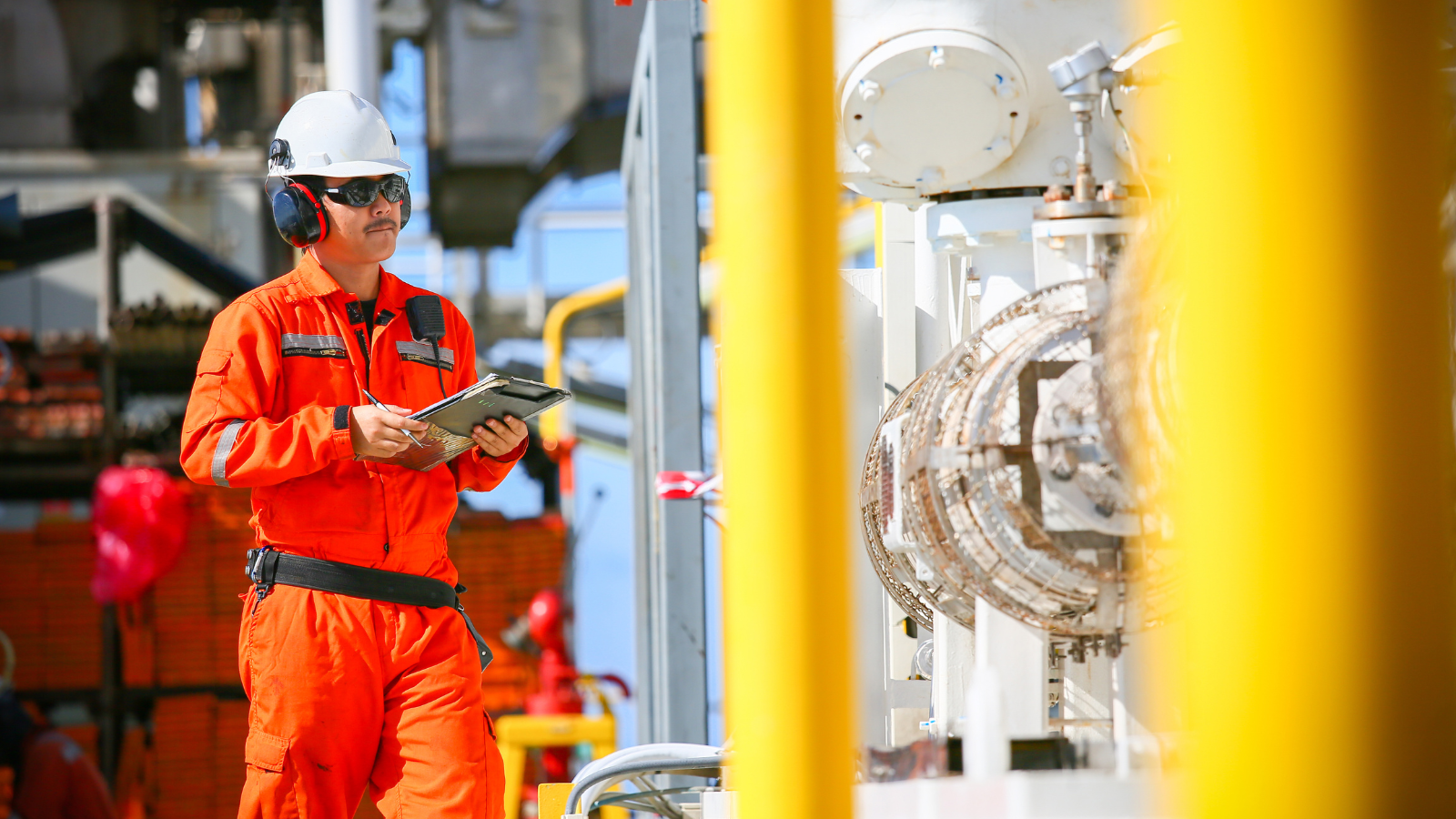
As Europe is keen to reiterate, the EU is “Kazakhstan’s leading trade and investment partner.” According to the Council of Europe, the EU is the destination for 37 percent of all Kazakh exports, making it Astana’s biggest overall trading partner. The bulk of these exports are oil and uranium.
Under the Global Gateway strategy for Central Asia, investment and cooperation has deepened across an array of sectors, from critical minerals to energy to transport. The joint statement fronted the importance of the Trans-Caspian International Transport Route – better known as the Middle Corridor – and positioned Kazakhstan as key to critical minerals and energy supply chains.
Among the agreements signed, air transit received special attention, including an EU-Kazakhstan air transport agreement and an Air Astana order for up to 50 aircraft from Airbus. The Airbus deal makes up the majority of the headline commercial deals figure: 7.1 billion euro.
Beyond the commercial deals, the European Investment Bank (EIB) signed a 150 million euro agreement supporting transport connectivity with Kazakhstan, and the European Bank for Reconstruction and Development (EBRD) signed an MOU related to “the development of an internationally accredited national chemical-analytical laboratory in Kazakhstan.”
What was missing from the joint statement is revealing. At a time when Europe remains deeply concerned and inextricably invested in Ukraine’s battle against Russia, there’s no direct mention of that conflict (or any others, like Iran), despite the ways in which it has served to reemphasize the importance of direct EU-Central Asia connections. This isn’t shocking in the least. Russia lurks in the margins of EU-Kazakh relations – as does the United States.
Toward the end of the joint statement, the two sides reaffirmed “their shared commitment to peace, security and stability, and to the principles of the UN Charter, including sovereignty, territorial integrity and the peaceful settlement of disputes.” They also stressed the “the importance of effective multilateralism,” again honing in on the United Nations.
While human rights groups urged European leaders to address an array of concerns – crackdowns on critics of Kazakhstan’s recent constitutional reform; pressure on media, including the prosecution of journalists; and pressure on civil society, namely LGBTQ+ advocates – very little of that made its way into the public-facing discussions. In the joint statement, the EU merely “recognized Kazakhstan’s ongoing political reform agenda and acknowledged the adoption of a new Constitution through a nationwide referendum in March 2026” and noted that the leaders “welcomed continued dialogue on human rights, the rule of law and anti-corruption.”
Tokayev’s Brussels visit came after a May working visit to Moscow, an April trip to Turkiye, a February working visit to Washington, and before that a trip to Pakistan. Those trips serve to illustrate, via travel itinerary, Kazakhstan’s multivector diplomatic strategy in action.








 English (US) ·
  French (CA) ·
  French (FR) ·