

 3 hours ago
4
3 hours ago
4
PROTECT YOURSELF with Orgo-Life® QUANTUM TECHNOLOGY
Orgo-Life the new way to the future Advertising by AdpathwayHorn of Africa · Explainer
Key Facts
- The dam The Grand Ethiopian Renaissance Dam (GERD) on the Blue Nile in western Ethiopia, Africa’s largest hydropower plant, with 5,150 megawatts of capacity.
- Built Work began on 2 April 2011, and Prime Minister Abiy Ahmed inaugurated the dam on 9 September 2025.
- Egypt’s case Egypt calls the dam illegitimate and demands a legally binding deal on how it is filled and run.
- Ethiopia’s case Ethiopia says it paid for the dam itself and will keep developing its Nile tributaries.
- The talks Egypt says it suspended negotiations in December 2023, and its water minister said in June 2026 that there were none.
- US role Trump offered to mediate in a January 2026 letter, and on 9 October 2026 he said America financed the dam, which Ethiopia denies.
- Prediction markets Polymarket gives a 12.0% chance that Eritrea invades Ethiopia by 31 December 2026, the closest market to the dam dispute (16 October, 4:10 a.m. ET).
- Still open Whether talks restart, and whether Ethiopia builds further dams on the Blue Nile.
The GERD Nile dam dispute pits Ethiopia, which opened Africa’s largest hydropower dam in September 2025, against Egypt, which fears for its water. Egypt calls the dam illegitimate, while Ethiopia says its own people paid for it.
President Donald Trump has offered to mediate between the two countries, but Egypt says it suspended talks in December 2023 and none have resumed. Sudan, in the middle, is fighting a war of its own.
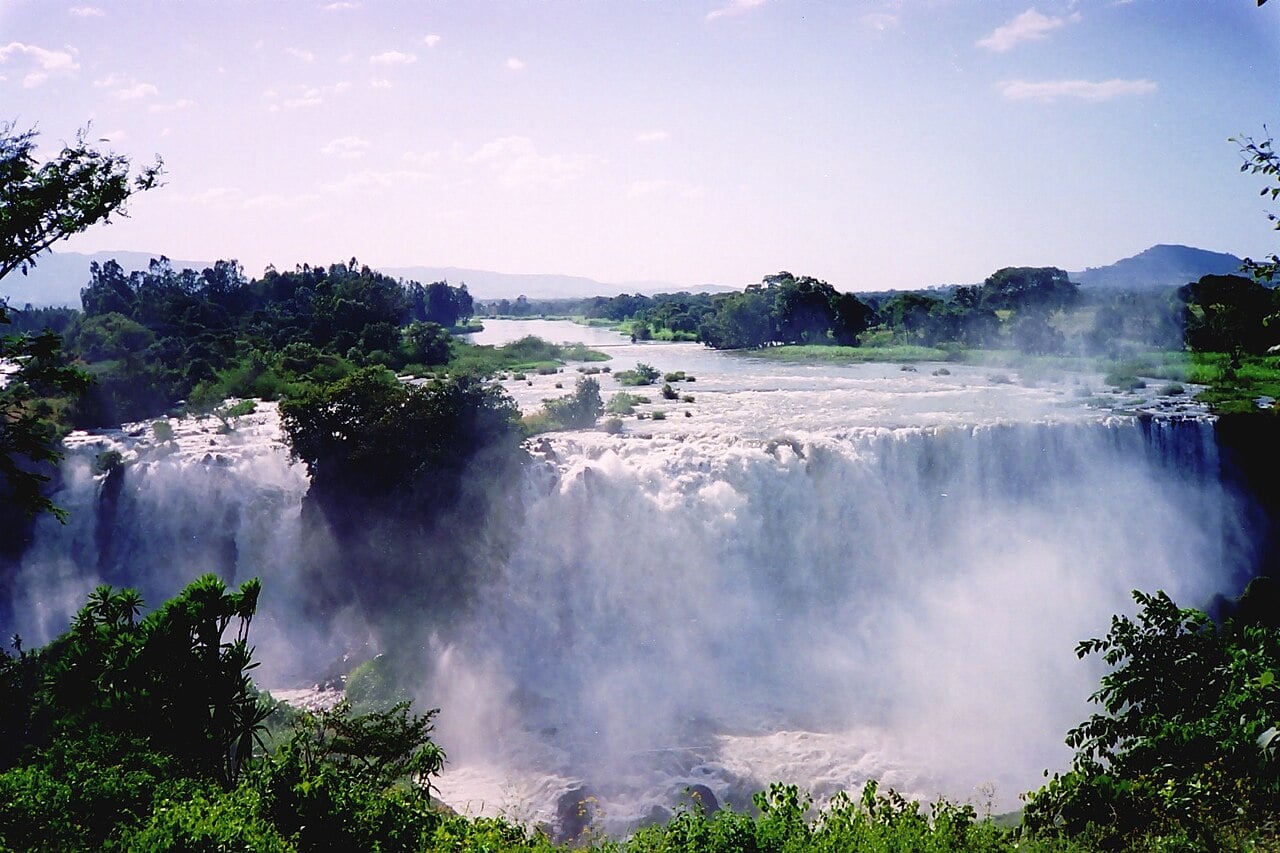
What the Dam Is
The Grand Ethiopian Renaissance Dam, known as GERD, stands on the Blue Nile in western Ethiopia near the Sudanese border. Ethiopia’s state news agency says it has 5,150 megawatts of power capacity and a reservoir that holds 74 billion cubic metres of water.
Meles Zenawi, then prime minister, laid the foundation stone on 2 April 2011, and Prime Minister Abiy Ahmed inaugurated the finished dam on 9 September 2025. The presidents of Djibouti, South Sudan and Somalia attended, the agency said.
Egypt’s Masrawy news site puts the cost at about US$4 billion, and Ethiopia says its own people paid. Webuild chief executive Pietro Salini said at the inauguration that no international lender was willing to finance the project.
Ethiopia has about 135.5 million people, the World Bank estimated for 2025, and the dam is central to its power plans. Our explainer on Ethiopia covers the country behind the dam.
Why Egypt Objects
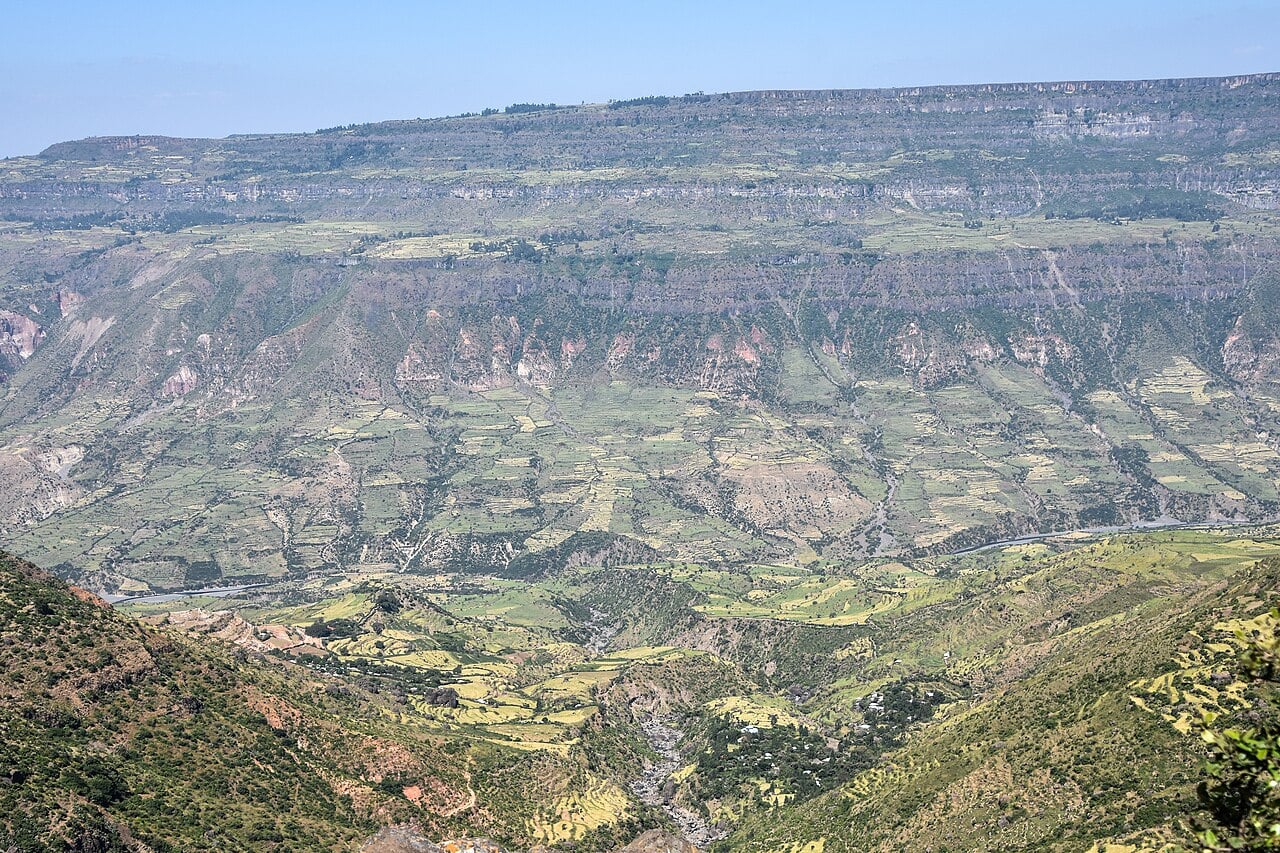
Egypt told the UN Security Council in letters in 2021 that the Nile is its livelihood and the survival of its 105 million citizens. Security Council Report recorded the letters.
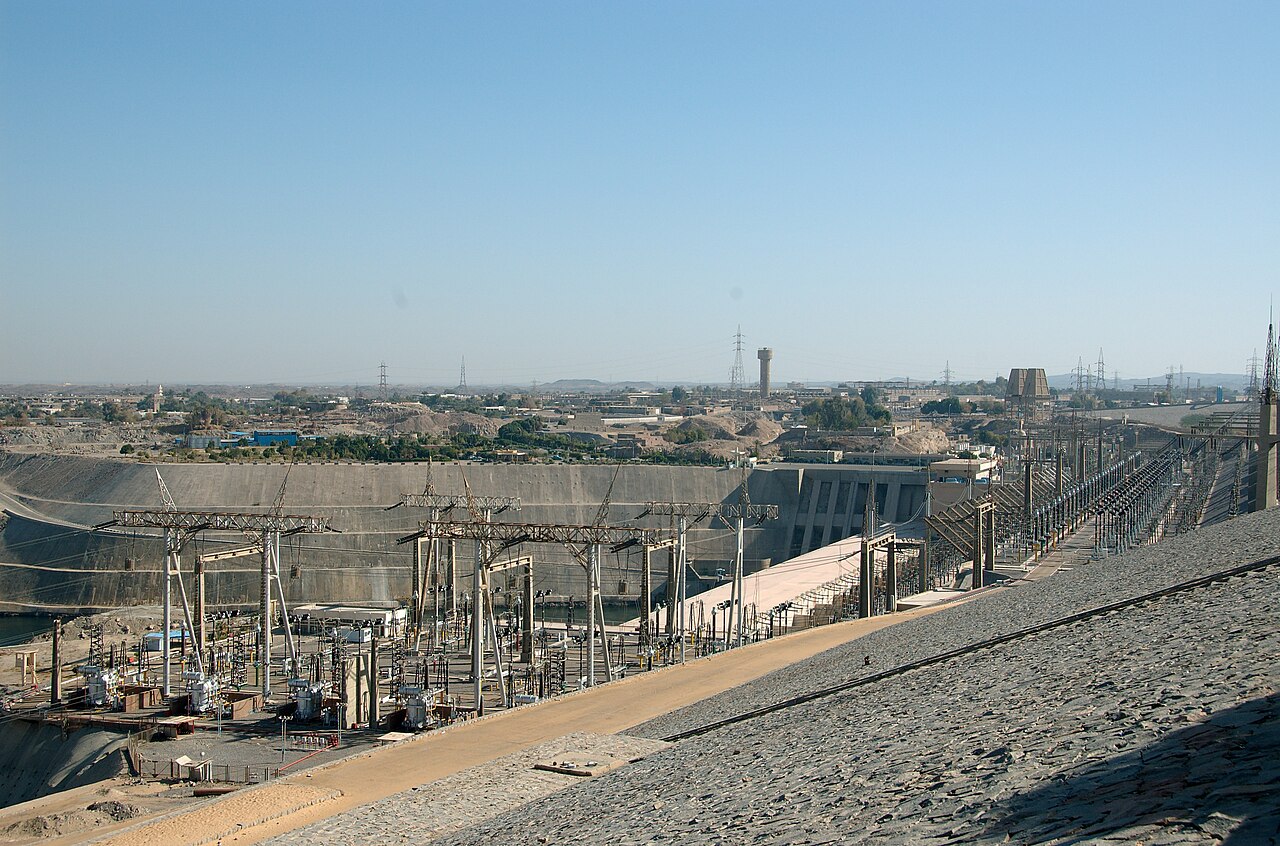
The 1959 agreement, signed by Egypt and Sudan in Cairo on 8 November, puts the Nile’s average flow at Aswan at about 84 billion cubic metres a year. After losses it gives Egypt 55.5 billion and Sudan 18.5 billion, and Ethiopia was not a party.
The 1959 text builds on a 1929 Nile waters agreement that, it says, covered only partial use of the river. Ethiopia argues that Egypt and Sudan rely on an unfair colonial-era treaty, a view both countries contest, Security Council Report noted in 2021.
Egypt’s water minister, Hani Sewilam, told foreign media in Cairo on 20 September 2026 that the dam is illegitimate and will remain so. He said Egypt has the right to take appropriate action to remove the harm caused to it, and that finishing the dam does not mean Egypt accepts it.
Egypt’s water ministry said Ethiopia’s releases jumped from 485 million cubic metres on 10 September 2025 to 780 million on 27 September. Ethiopia’s water ministry answered that Egypt’s statement was full of falsehoods and that the dam had prevented a worse flood, Sudan Tribune reported on 4 October 2025.
Egypt also says Ethiopia broke the 2015 Declaration of Principles by filling and running the dam without an agreement. Ethiopia’s water minister, Habtamu Itefa, said in August 2026 that Ethiopia will keep developing Nile tributaries without downstream approval, if projects cause no significant harm.
He said Egypt and Sudan stand against the voice of the majority because they oppose the Cooperative Framework Agreement, now in force. Egypt, he said, is also slowing the creation of the permanent Nile Basin Commission.
Sudan’s Position
Sudan sits between the two rivals, and its Roseires Dam on the Blue Nile lies below the Ethiopian dam. Egypt said in October 2025 that Ethiopian releases forced the Roseires operators to pass most of the water through.
Sudan told the Security Council in letters in 2021 that the dam had harmed its own dams and water supply. Security Council Report recorded that Khartoum also objected to the lack of cross-border environmental and social plans.
Sudan’s own war, which began in April 2023, now dominates its politics. Prime Minister Kamil Idris said in Port Sudan on 1 October 2025 that Sudan would carry out detailed reviews of the dam with Ethiopia and Egypt.
Crisis Group calls Egypt a close wartime ally of Sudan’s army. Our explainer on Sudan in the Horn of Africa covers that war in more detail.
The Failed Talks
Egypt, Ethiopia and Sudan signed a Declaration of Principles in Khartoum on 23 March 2015, built on ten principles that include cooperation and avoiding significant harm. In 2021 Security Council Report noted that drought rules and a dispute mechanism were still unresolved.
African Union-led talks began in June 2020, and the Security Council held its first public meeting on the dam on 29 June 2020. The Kinshasa round of 3 to 6 April 2021 ended without concrete outcomes.
On 15 September 2021 the Council adopted a presidential statement that calls for resuming AU-led talks toward a binding agreement on the filling and operation of the dam. India said afterwards that transboundary water issues do not belong in the Council.
Egypt says it suspended the talks in December 2023 because Ethiopia stalled and went back on agreements. Sewilam said in late June 2026 that there were no negotiations at the moment, while he praised Washington’s good faith.
Trump wrote to Egyptian President Abdel Fattah al-Sisi in January 2026 offering to restart US mediation, Egypt Independent reported on 17 January 2026. He said no state in the region should unilaterally control the Nile and hoped the dispute would not lead to major military conflict.
Senior US adviser Massad Boulos told the Alhurra channel in August 2026 that Washington is ready to resume mediation, Egypt Independent reported on 17 August. Sewilam welcomed the offer on 21 August 2026.
At a rally in Syracuse, New York, on 9 October 2026, Trump said Ethiopia built a dam “financed, of course, by America and stupid thing to do.” Our report on Trump and the Nile dam sets out his words, which match the Roll Call Factbase transcript.
Abiy told parliament on 3 February 2026 that Ethiopia received no foreign loans or aid for the dam, Masrawy reported. Trump had said at Davos in January 2026 that the United States paid for it, Masrawy added.
How It Feeds the Horn Crisis
The GERD Nile dam dispute shapes Egypt’s choices beyond the river and is one of five fault lines in our pillar guide to Horn of Africa geopolitics. Crisis Group wrote in February 2026 that Egypt, Somalia and Eritrea formed a loose alliance against what they saw as Ethiopia’s disruptive regional ambitions.
Crisis Group says Eritrea forged a relationship with Egypt, a big rival of Addis Ababa because of frictions over Nile waters. It also says Egypt offered to contribute troops to the African Union mission in Somalia, though it has yet to do so.
On 4 October 2026 the leaders of Egypt, Eritrea, Sudan and Somalia adopted the El Alamein Joint Declaration on Red Sea governance, Security Council Report said. Writer Marwa El-Shinawy argues in a Daily News Egypt opinion piece that the declaration also reaffirms Nile principles of avoiding significant harm, consultation and prior notification.
The declaration says Red Sea governance is the exclusive job of coastal states, which leaves out landlocked Ethiopia, as our explainer on Ethiopia’s Red Sea demand describes. Abiy said on 5 October, as he was sworn in for another term, that landlocked Ethiopia must have access to the Red Sea, Security Council Report noted.
Our report on Egypt’s diplomacy in Djibouti traces how Cairo built that ring of partners around Ethiopia. Our report on Egypt’s denial says an unnamed official told state agency MENA on 3 October 2026 that Cairo has no role in the northern Ethiopian fighting.
The African Union Commission has urged Ethiopia, Eritrea and Egypt to show maximum restraint, Security Council Report said in October 2026. Washington asked the Council for closed consultations on the Horn.
What the Markets Say
Why we show this: prediction markets turn real-money bets into a live probability that moves within minutes of the news, which is why investors, campaigns and newsrooms in the United States now follow them closely. We show them next to polls and official results, never instead of them.
No market covers the dam, so the closest is Polymarket’s question on an Eritrean invasion of Ethiopia (16 October, 4:10 a.m. ET). It stood at 6.0% by 31 October and 12.0% by 31 December 2026, with about US$99,000 wagered.
A separate Polymarket market gives Abiy Ahmed a 5.5% chance of leaving office as Ethiopia’s prime minister in 2026, with about US$13,000 wagered. Neither market prices a clash over the Nile, so they show nerves about the wider Horn rather than the dam.
What It Means for US Readers
Egypt is a close US security partner, and the State Department says it has received over US$50 billion in military and US$30 billion in economic aid since 1978. A US tilt toward either side on the Nile therefore carries a cost with the other.
Egypt runs the Suez Canal, whose revenue fell from about US$10 billion to US$3.3 billion and recovered to US$4.4 billion, Prime Minister Madbouly said in October 2026. Our Bab el-Mandeb analysis explains why a water fight that weakens Cairo matters to shippers who rely on that route.
The US midterm campaign has added a political line to the dispute, because Trump says America financed a dam that Abiy says took no foreign loan. Investors in Egyptian or Ethiopian debt should watch whether Washington’s offer to mediate turns into talks.
What Is Not Known
In the GERD Nile dam dispute, Egypt says the lack of a binding data-sharing agreement leaves Sudan unable to manage its own dams and water storage. It is also unclear how the dam will behave in a multi-year drought, the case that the talks never settled.
Media reports in late July 2026 said Ethiopia plans three more Nile dams, but Addis Ababa had not commented when Egypt’s minister replied on 4 August. Whether those projects are funded, or when they could start, is not known.
Egypt’s water minister says Egypt has the right to take appropriate action, and the statements do not say what that action would be. Egypt says it will return to talks only on terms that guarantee a binding deal, while Ethiopia says operating the dam does not need one.
Whether Washington can close the gap in the GERD Nile dam dispute is untested, because no formal round has resumed since 2023. Our Horn of Africa hub follows each of these threads across the region.
Frequently Asked Questions
What is the GERD dam?
The Grand Ethiopian Renaissance Dam is a hydropower dam on the Blue Nile in western Ethiopia, inaugurated on 9 September 2025. Ethiopia’s state news agency says it has 5,150 megawatts of capacity and a reservoir of 74 billion cubic metres.
Why does Egypt oppose the Ethiopian dam?
Egypt says the dam threatens its water supply and was filled and run without a binding agreement, and its water minister calls it illegitimate. Egypt wants a legally binding deal on filling and operation, which Ethiopia says it does not need.
Could Egypt attack the Nile dam?
Egypt’s water minister said on 20 September 2026 that Egypt has the right to take appropriate action to remove the harm caused to it. The statements do not describe any military step, and Egypt says it still seeks a binding legal agreement.
Are Egypt and Ethiopia still negotiating over the Nile dam?
Egypt says it suspended negotiations in December 2023, and its water minister said in June 2026 that there were none at the moment. Trump has offered to mediate, and Egypt’s minister has welcomed the offer.
Sources: Ethiopian News Agency, PM Abiy Inaugurates Grand Ethiopian Renaissance Dam, 9 September 2025; Ethiopian News Agency, Never Has Abay River Been Fair Prior to GERD Inauguration, 9 September 2025; Ethiopian News Agency, Egypt’s Resistance Delays Permanent Nile Commission, Says Ethiopian Minister, 21 August 2026; Masrawy, Abiy answers Trump on the dam, 3 February 2026; FAO, Agreement between Egypt and Sudan for the full utilization of the Nile waters, 1959, 8 November 1959; Security Council Report, Meeting on the Grand Ethiopian Renaissance Dam and Regional Relations, 7 July 2021; Security Council Report, Presidential Statement on the GERD, 14 September 2021; Security Council Report, In Hindsight: The GERD and Water Security, October 2021; Security Council Report, Horn of Africa: Closed Consultations, 12 October 2026; Anadolu Agency, Egypt calls Ethiopian dam illegitimate, 21 September 2026; Roll Call Factbase, Trump speech at a midterm rally in Syracuse, New York (transcript), 9 October 2026; Anadolu Agency, Egypt says it won’t allow new Ethiopian dams on the Nile, 4 August 2026; Sudan Tribune, Ethiopia, Egypt trade accusations over GERD’s role in Nile floods, 4 October 2025; Sudan Tribune, Sudan to review GERD deal, 1 October 2025; Daily News Egypt, Ethiopia’s unpredictable GERD releases, Egypt’s irrigation ministry, 22 November 2025; Daily News Egypt, Egypt, Djibouti foreign ministers reject unilateral actions in Horn of Africa, 14 June 2026; Daily News Egypt, Opinion: The El Alamein Declaration, 13 October 2026; Egypt Independent, Egypt refuses return to GERD negotiations without binding guarantees, 30 June 2026; Egypt Independent, Trump offers Sisi proposal to resolve GERD crisis, 17 January 2026; Egypt Independent, Washington ready to resume mediating GERD dispute, 17 August 2026; Egypt Independent, Egyptian Irrigation Minister on the dam and Trump’s offer, 22 August 2026; Egypt Independent, Trump criticizes Grand Ethiopian Renaissance Dam, 11 October 2026; Crisis Group, Ethiopia, Eritrea and Tigray: A Powder Keg in the Horn of Africa, 18 February 2026; US State Department, US Relations With Egypt, accessed 16 October 2026; Masrawy, Madbouly on Suez Canal revenue, 4 October 2026.
Editorial responsibility: Matthias Camenzind, Editor-in-Chief · Editorial standards · Report an error
















 English (US) ·
  French (CA) ·
  French (FR) ·