

 3 days ago
20
PROTECT YOURSELF with Orgo-Life® QUANTUM TECHNOLOGY
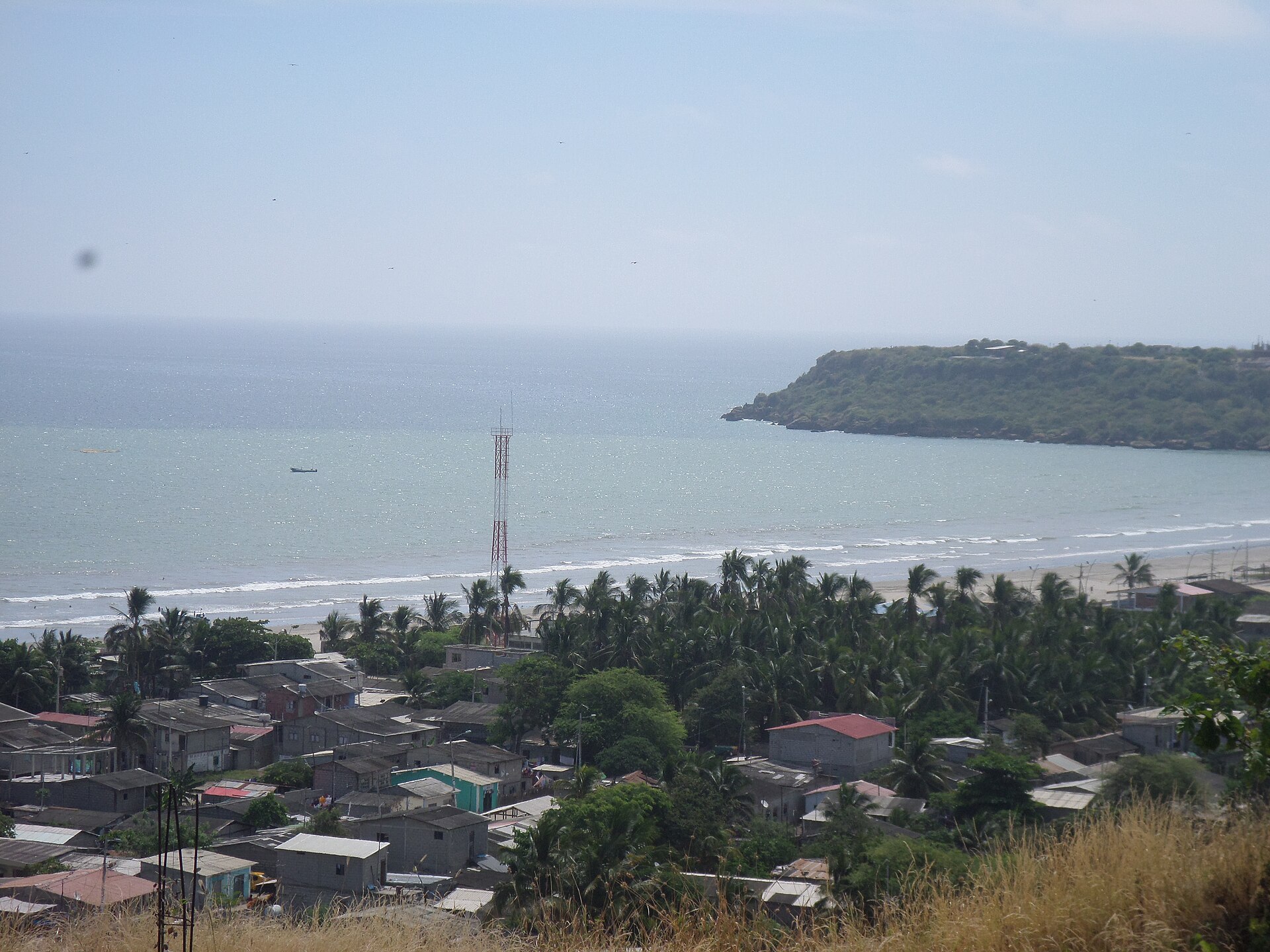
Orgo-Life the new way to the future Advertising by AdpathwayHeavy rain over 24 hours made several rivers burst their banks in Colonche, a rural parish on Ecuador’s Pacific coast, on Saturday 7 November 2026. A local report says at least 30 families left their homes at one road junction, and farms suffered crop and animal losses.
For readers in the United States, the floods are a reminder that wet weather on Ecuador’s coast can affect farms, roads and travel plans. Below we set out what is known and what is not.
Key Facts
Free daily brief — no card needed
Get every Ecuador story in one morning email
We build you a personalized brief around the topics you follow — free for 7 days. Love it? Your first month after that is US$1.
Yes, email me my free daily brief — I can unsubscribe any time.
- Where. Colonche, a rural parish in Santa Elena province on Ecuador’s Pacific coast.
- Evacuated. A local report says at least 30 families left Cruce de Palmar, a flooded neighbourhood in Palmar.
- Damage. Homes, crops, household goods and farm animals were hit. The reports we read mention no deaths.
- National picture. Ecuador’s national risk agency counted 19 overflowing rivers in five provinces on Friday evening.
What Happened
Intense rain fell on Colonche parish over the 24 hours to Saturday 7 November 2026. Several rivers overflowed and flooded the communities of Manantial de Colonche, San Marcos, La Bajada and Palmar.
A parish is a local government district, and Colonche is mostly rural. Its communities, known as comunas, are legally recognised villages with their own councils.
Homes went under water in the neighbourhoods of Paraíso in San Marcos, 14 de Enero in the parish seat, and Cruce de Palmar. At Cruce de Palmar, at least 30 families were evacuated after the flow entered their houses, a local report said.
Much of La Bajada stayed under water for several hours. A resident said culverts, the drainage pipes that run under roads, clogged with debris carried by the rivers.
Culverts matter because blocked ones can push river water onto roads and into houses. Debris from upstream can clog them.
Households lost furniture and appliances, much of the crops were damaged, and the current swept away farm animals. Other families fled in a hurry and sheltered with relatives on higher ground.
Ítalo Cacao, president of the Colonche parish government, said the parish faces a critical situation. He said the parish has mobilised heavy machinery and support staff.
Affected families have asked for urgent humanitarian aid, the local report said. Residents were using shovels, picks and pumps to drain their homes and save belongings.
Why It Matters
Ecuador’s National Risk Management Secretariat, the national disaster agency, counted 19 overflowing rivers and streams at 7:00 p.m. on Friday 6 November. They were spread across five provinces: Guayas, El Oro, Esmeraldas, Los Ríos and Santa Elena.
In Santa Elena, all three overflows were in Colonche: the California river near La Ponga, the Salanguillo river, and the Javita river near Ceibitos and San Marcos. The agency counts rivers over their banks, which is not the same as a damage total.
Colonche was already under pressure earlier in the week. After heavy rain on the night of Sunday 1 November, the agency reported six communities cut off by road: Colonche, Salanguillo, La Ponga, La Unión, Pueblo Nuevo and Loma Alta.
It was also delivering aid kits to 100 families, and on 2 November urged people not to cross rivers, streams or flooded ground. The kits were part of the response to that earlier rain.
What Is Not Known
Officials have not published a final count of families affected by the rain of 6 and 7 November. It is also unclear how many homes are damaged or how many people remain in shelters.
The reports available mention no deaths, but a full damage assessment is still to come. Road conditions, any effect on tourism along the coast, and the forecast for the coming days have not been confirmed, and the 30-family figure comes from a single local report.
What It Means for You
If you plan to travel on Ecuador’s coast, check local road and weather advisories before you set out, because rivers can overflow after heavy rain. On 2 November the national risk agency asked people to stay out of flooded rivers, streams and low ground.
Losses of crops and animals are reported in Colonche. The size of those losses has not been measured.
The next step is an official damage count once the water falls. Until then, the figures here remain preliminary.
Frequently Asked Questions
Where is Colonche and what happened there?
Colonche is a rural parish in Santa Elena province on Ecuador’s Pacific coast. Heavy rain made rivers overflow there on Saturday 7 November 2026, flooding four communities and forcing at least 30 families to evacuate at Cruce de Palmar.
Were there deaths in the floods?
The reports available mention no deaths, and a full damage count is not yet published. The national risk agency asked people on 2 November not to cross rivers, streams or flooded areas.
Sources
Ecuador National Risk Management Secretariat (gestionderiesgos.gob.ec); Colonche parish government.












 English (US) ·
 French (CA) ·
 French (FR) ·