

 2 months ago
83
2 months ago
83
PROTECT YOURSELF with Orgo-Life® QUANTUM TECHNOLOGY
Orgo-Life the new way to the future Advertising by AdpathwayCaribbean · Business
Key Facts
—Dominican Republic Electricity Demand National electricity demand hit a record 4,203 MW on July 27, 2026, per the Energy Ministry.
—Previous record 4,195.26 MW set on Wednesday, July 24, 2026, just four days earlier.
—July records The July 28 peak was the fourth all-time demand record set during the month.
—System stability The SENI grid met the record load without blackouts, maintaining stable nationwide supply.
—Primary drivers Intense summer heat and increased consumption from economic growth.
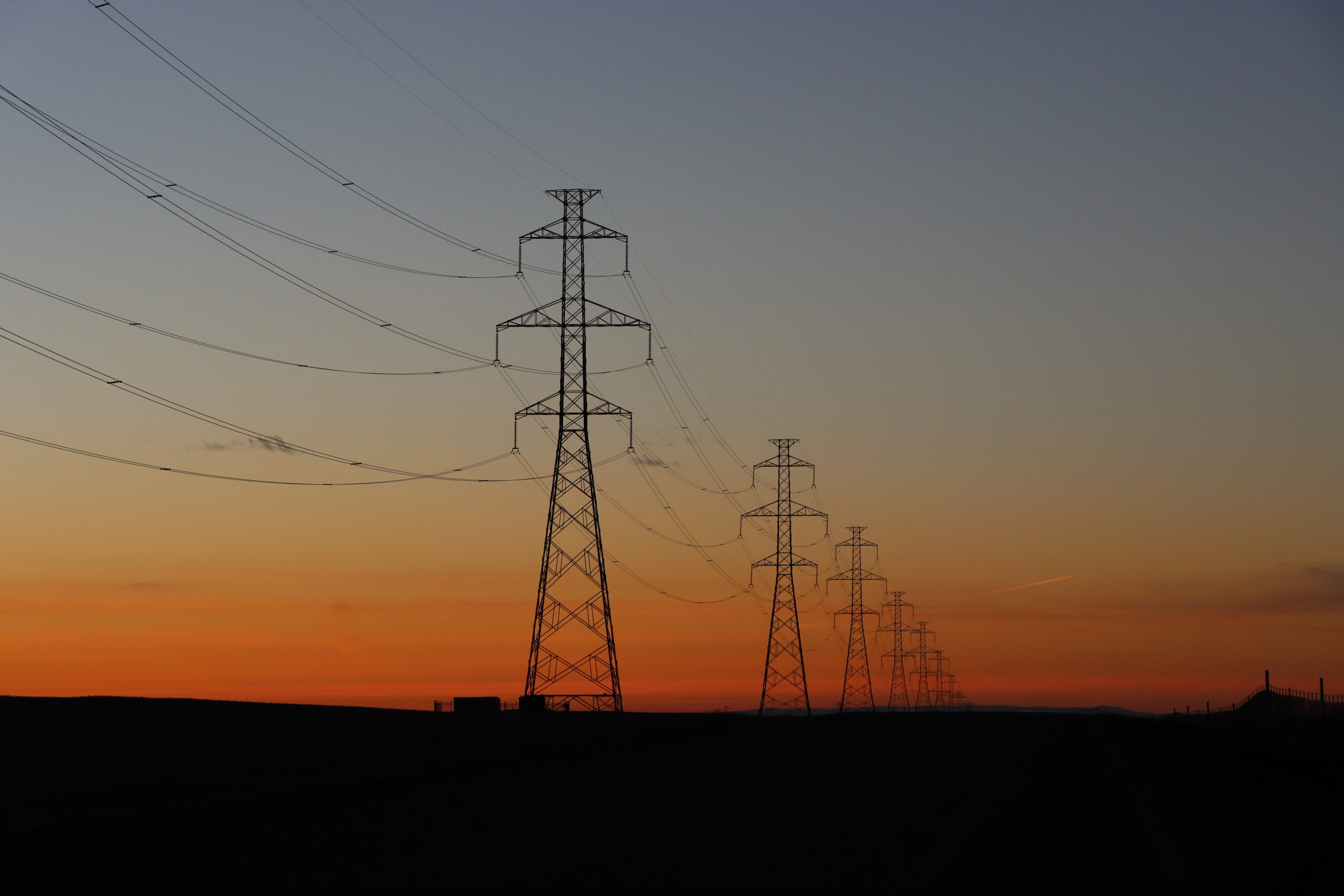
Dominican Republic electricity demand surged to an unprecedented 4,203 megawatts (MW) on Monday, July 28, 2026, setting a new all-time high for the Caribbean nation’s power grid as a relentless summer heat wave and accelerating economic activity pushed the system to its latest peak.
One-stop reference
Company Intelligence
Every listed company in Latin America — financials, ownership and structure for 1,450+ companies across 26 exchanges, in one place.
A Month of Broken Records
The milestone was recorded at exactly 8:56 p.m. local time within the Sistema Eléctrico Nacional Interconectado (SENI), the national interconnected grid that serves the majority of the country’s 11 million residents. The grid’s coordinating body, known as the Organismo Coordinador (OC-SENI), confirmed the figure.
This new peak shattered the previous record of 4,195.26 MW, which had been set just four days earlier on Wednesday, July 24, 2026, at 9:32 p.m. That benchmark itself had eclipsed a record of 4,185.11 MW established only a day before, on Tuesday, July 23.
The sequence of broken records began earlier in the month, with demand reaching 4,166.52 MW on Thursday, July 16, 2026, at 9:58 p.m. The July 28 peak therefore represents the fourth time the country’s electricity consumption hit an all-time high in under two weeks.
The Heat Factor: Cooling a Tropical Economy
For foreign residents and investors accustomed to the Dominican Republic’s year-round warmth, the summer of 2026 has been exceptional. A prolonged heat wave has blanketed the region, driving residents and businesses to rely heavily on air conditioning, particularly during the evening peak hours when families return home.
Unlike temperate-zone grids that peak in winter for heating, tropical electricity systems like the SENI are summer-peaking. The record-setting times – consistently between 8:56 p.m. and 9:58 p.m. – highlight how residential cooling demand after sunset, combined with still-warm temperatures, creates the maximum strain on generation and transmission infrastructure.
The Ministry of Energy and Mines attributed the surge directly to high temperatures and increased consumption. This pattern mirrors trends seen across other warm-climate grids globally, where more frequent and intense heat waves are shifting baseline demand expectations upward.
Economic Growth Adds to Grid Strain
Beyond the weather, structural economic expansion is a major driver of the Dominican Republic’s rising electricity appetite. The country has been one of Latin America’s top-performing economies, with growth fueled by tourism, free-trade zones, construction, and foreign direct investment.
More economic activity means more commercial office towers, manufacturing lines, hotels, and logistics centers drawing power throughout the day. This rising base load means that when a heat wave spikes residential cooling demand, the starting point is already higher than in previous years.
For expat entrepreneurs and real estate investors, the growing demand signals a market with expanding energy needs. It also underscores the importance of the government’s ongoing efforts to modernize generation capacity and diversify the energy matrix to keep pace with consumption.
Grid Stability Amid the Stress Test
Despite the record strain, the SENI system held firm. Official reports explicitly stated that the grid was able to cover the increase in consumption while maintaining stable service nationwide, with no blackouts reported during the peak event.
This outcome represents a significant achievement for a country that has historically struggled with power reliability. For decades, blackouts and voltage fluctuations were a frustrating reality for households and a cost of doing business for companies operating on the island.
The stable performance under maximum stress suggests that recent investments in generation plants and transmission infrastructure are delivering results. For foreign investors, grid reliability is a critical factor when evaluating the Dominican Republic as a destination for operations that require uninterrupted power, such as data centers or advanced manufacturing.
What This Means for Foreigners and Investors
For the expat community and international businesses, the record demand carries both reassurance and a cautionary note. The grid’s ability to meet 4,203 MW without incident is a positive signal of improved resilience in the country’s electricity sector.
However, a series of broken records in rapid succession indicates that the margin between peak demand and available generation may be narrowing. While the exact installed capacity of the SENI was not specified in the July 28 report, sustained demand growth will require continued capacity expansion to maintain the stability demonstrated during this event.
Investors in tourism, real estate, and industry should monitor future announcements from the Ministry of Energy and Mines regarding generation projects. The Dominican Republic has been actively incorporating natural gas and renewable energy sources, a diversification strategy that becomes more urgent as consumption records fall with increasing frequency.
The Broader Regional Context
The Dominican Republic’s demand spike is not occurring in isolation. Across the hemisphere, grids from the United States to Brazil have been setting summer records as heat waves become more intense and persistent.
The largest US grid, PJM Interconnection, also reported record demand in early July 2026.
For Latin America, where air conditioning penetration is still growing, the upward trajectory of electricity demand is expected to be steeper than in more mature markets. The Dominican Republic, with its high tourism exposure and expanding middle class, sits at the intersection of these trends.
As the country continues to position itself as a hub for nearshoring and digital nomads, a reliable and scalable electricity system will be fundamental. The events of July 2026 offer a real-world test that, for now, the grid has passed.
Frequently Asked Questions
What was the new record for Dominican Republic electricity demand?
The national electricity demand reached a new all-time high of 4,203 MW on Monday, July 28, 2026, at 8:56 p.m., according to the Ministry of Energy and Mines and the grid operator OC-SENI.
Why is electricity demand spiking in the Dominican Republic?
The surge is driven primarily by an intense summer heat wave that has increased air conditioning use, combined with rising base consumption from sustained economic growth in tourism, construction, and free-trade zones.
Did the record electricity demand cause blackouts?
No. Official reports confirmed that the SENI grid was able to meet the 4,203 MW peak load while maintaining stable service nationwide, with no blackouts reported during the event.



















 English (US) ·
  French (CA) ·
  French (FR) ·