

PROTECT YOURSELF with Orgo-Life® QUANTUM TECHNOLOGY
Orgo-Life the new way to the future Advertising by AdpathwayMost of what people worry about with tomato sauce, a smelly jar in the back of the fridge, a can past its date, is really a quality question, not a safety one. The genuinely serious risk with tomatoes lives somewhere most people never think to look: not in the jar on your shelf, but in a pot of tomatoes someone is canning at home without realizing modern tomato varieties aren’t always acidic enough to can safely on their own.
Does tomato sauce go bad?
The short answer: Yes, eventually, but commercial jarred or canned tomato sauce is quite stable. An unopened jar or can commonly lasts well over a year in the pantry, and an opened one is good for about five to seven days refrigerated. Homemade sauce made fresh and kept in the fridge doesn’t last quite as long, closer to three to five days, since it skips the processing that gives commercial sauce its longer window. The real safety conversation is different, and more important: tomatoes sit right at the borderline of acidity that matters for safe home canning, and the standard guidance from food preservation researchers is to add bottled lemon juice or citric acid any time you can tomatoes at home, regardless of how acidic you assume your tomatoes are.
This guide covers jarred and canned tomato sauce specifically. If you’re wondering about the fresh fruit itself, see our guides on whether tomatoes go bad and whether tomatoes need to be refrigerated, and our roundup of foods that last longer than you think covers canned goods generally.
📋 Does Tomato Sauce Go Bad: At a Glance
| Unopened jar or can, pantry | Commonly well over a year past the printed date |
| Opened, commercial, refrigerated | About 5 to 7 days |
| Homemade, refrigerated | About 3 to 5 days |
| Frozen | Up to about 6 months |
| The real safety risk | Home canning tomatoes without added acid, not everyday storage |
| Bulging or gassy jar | A genuine spoilage warning sign, not normal for tomato sauce |
🔑 Key Takeaways
- Commercial jarred and canned tomato sauce is genuinely shelf stable for a long time unopened, thanks to processing and the sauce’s naturally acidic pH.
- The five to seven day refrigerated window for opened sauce comes from food safety guidance on high-acid canned goods generally, not a tomato-specific rule.
- Tomatoes are a borderline case for home canning safety. Research from the National Center for Home Food Preservation notes some tomato varieties now have pH values slightly above the 4.6 threshold that matters for controlling botulism risk, which is why the standard guidance is to add bottled lemon juice or citric acid to any home-canned tomato product.
- Unlike a fermented food, gas, bulging, or fizzing in a jar of tomato sauce is not a normal or benign sign. It points to spoilage bacteria and should be treated as a discard signal.
- Once opened, tomato sauce should be moved out of the original metal can, since the acidity reacts with the metal and can affect flavor.
Why Commercial Tomato Sauce Lasts So Long Unopened
🔬 The Mechanism: Acidity Plus Processing
Tomatoes are naturally acidic, generally in a pH range of about 4.3 to 4.9, which is why they’re classified as a high-acid food for canning purposes. High acidity is genuinely hostile to the bacteria responsible for most food spoilage, and commercial processing (heating, sealing) adds another layer of protection on top of that. Together, this is why a sealed can or jar of tomato sauce is one of the more stable products in a pantry, similar in principle to why other acidic, processed, or shelf-stable foods hold up so well. Once opened and exposed to air, that protection stops accumulating, which is why the clock starts on the five to seven day refrigerated window.
Signs Tomato Sauce Has Actually Gone Bad
Mold
Fuzzy white, green, or black spots on the surface are the clearest sign. Discard the jar rather than scooping around it.
Off Smell or Fermented, Alcohol-Like Odor
Fresh tomato sauce should smell like tomatoes, herbs, and whatever else is in it, not sharp, sour, or boozy. A smell that’s turned distinctly fermented or chemical is a clear sign to stop.
Color Change, Separation, or Off Texture
Some liquid separation on top of refrigerated sauce is normal and can usually be stirred back in. A layer of unusual discoloration, a slimy texture, or graying rather than the sauce’s normal red is not normal and should not be stirred back in.
Bulging Lid, Fizzing, or Gas
This one is worth calling out specifically because it works differently than it does for an intentionally fermented food. Tomato sauce isn’t meant to be actively fermenting, so gas production, a domed lid, fizzing when opened, or spurting liquid are signs of spoilage bacteria at work, not a benign byproduct of the process. Treat any of these as a reason to discard the product without tasting it.
⚠️ The Real Risk Is Home Canning, Not Store-Bought Sauce
Tomatoes sit right at the edge of the acidity that matters for safe home canning. The National Center for Home Food Preservation, the primary US research authority on this topic, notes that while tomatoes are generally considered an acid food, some modern varieties, along with overripe fruit or tomatoes from frost-damaged vines, have pH values that can creep above 4.6, the threshold below which the bacteria responsible for botulism cannot grow in a sealed, low-oxygen jar. Because home canners typically don’t have a way to test pH directly, the standard guidance from USDA and university extension sources is simple and non-negotiable: add 2 tablespoons of bottled lemon juice or half a teaspoon of citric acid per quart of tomatoes (half that per pint) to any home-canned tomato product, every time, regardless of how acidic you assume your tomatoes are. This is specifically about home canning, not about buying or storing commercial sauce, which is processed and tested differently, but it’s the single most important safety fact in this entire topic and one most tomato sauce storage guides never mention.
See also

Storage: Pantry, Fridge, and Freezer
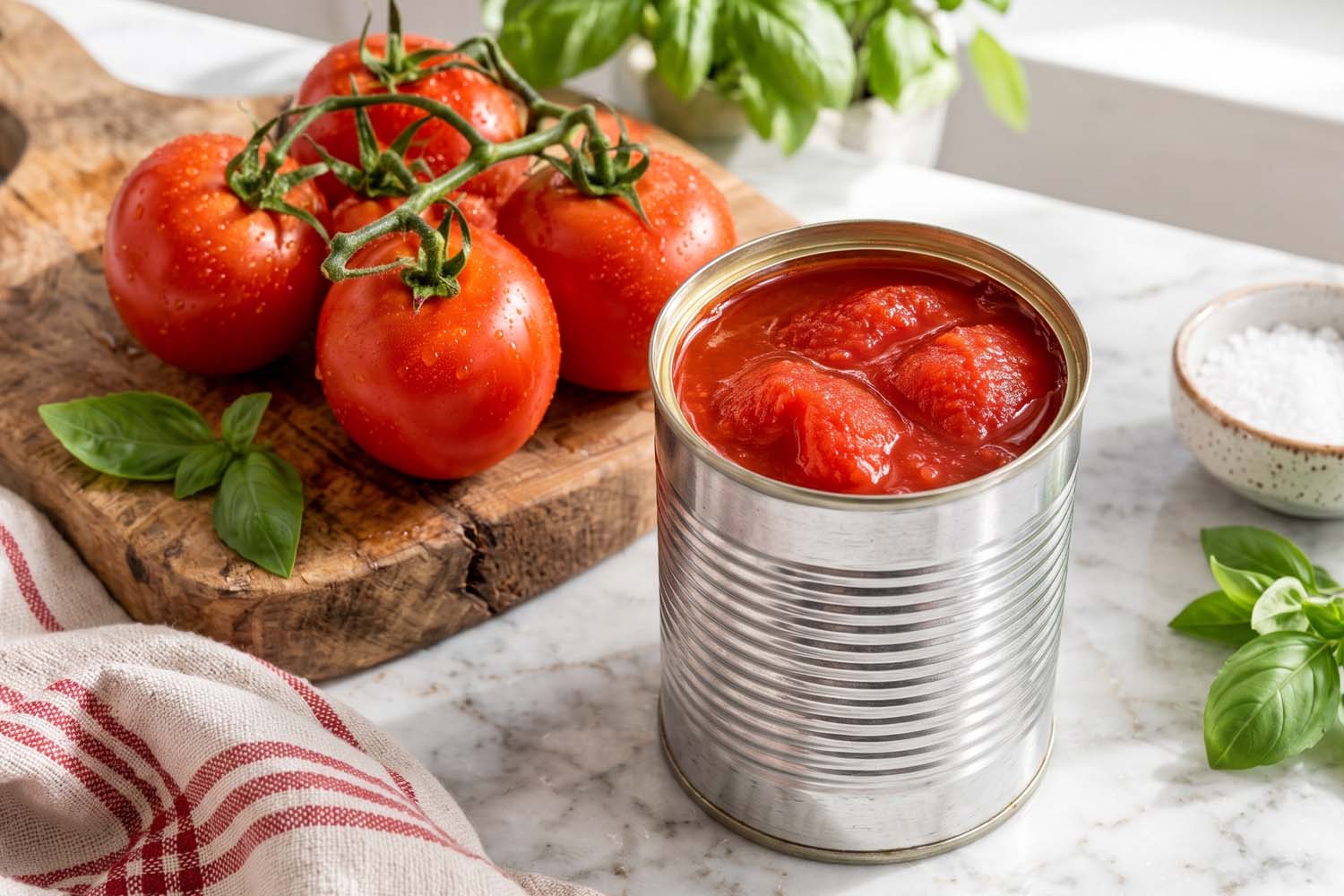
An unopened jar or can commonly stays good in a cool, dark pantry well past its printed date, often well over a year, since that date reflects peak quality rather than a safety cutoff. Once opened, move it out of the original can into a glass or plastic container. USDA’s Food Safety and Inspection Service states directly that in high-acid foods like canned tomatoes, natural chemicals in the food continually react with the can, and a peer-reviewed 2021 study measuring this in stored tomatoes found meaningfully higher iron and tin migration into the food the longer it sat in the can. It’s a quality issue more than a safety one, but it’s a real, measured effect, not just a rule of thumb. Refrigerated and covered, commercial opened sauce is commonly good for about five to seven days, according to food safety guidance on high-acid canned goods. Homemade sauce, without the same processing, is closer to three to five days. Freezing is the better option for either one if you won’t use it up that fast; portioned and frozen, tomato sauce commonly holds good quality for around six months.
| Unopened, commercial | Cool, dark pantry | Commonly well over a year past the printed date |
| Opened, commercial | Airtight glass or plastic container, refrigerated | About 5 to 7 days |
| Homemade, refrigerated | Airtight container | About 3 to 5 days |
| Frozen, either type | Airtight, freezer-safe container | Best quality around 6 months |
| Home-canned, properly acidified and processed | Cool, dark pantry | About 1 year for best quality, per NCHFP guidance |
💡 Don’t Store Leftover Sauce in the Can
Once a can is opened, transfer unused sauce to a glass or plastic container rather than leaving it in the metal can, even in the fridge. The acidity in tomatoes reacts with the metal over time, which can affect the flavor of what’s left.
If you’re making a batch to use up rather than store, tomato sauce is the backbone of dishes like penne alla vodka, a topping for classic meatloaf, or a base for roasted Italian sausage, peppers, and onions; our classic Italian dishes guide has more ways to use a jar before storage even becomes a question. And if a spill happens along the way, our guides on getting tomato sauce out of clothes and removing tomato stains from plastic containers cover the cleanup side of the same acidity this article is all about.
Frequently Asked Questions
Is it safe to eat tomato sauce past the date on the jar?
Usually, yes, for an unopened jar or can, as long as it shows no bulging, leaking, or damage. The printed date is about peak quality, not a safety cutoff, and commercial tomato products commonly stay good well past it.
Why does tomato sauce only last a week in the fridge if it’s so shelf-stable unopened?
Because the protection that makes an unopened jar stable, a sealed environment plus processing, stops once it’s opened and exposed to air. From that point, opened tomato sauce behaves like any other perishable high-acid food, good for about five to seven days refrigerated.
Is homemade tomato sauce for the fridge as risky as home canning it?
No, these are different situations. Fresh homemade sauce kept in the refrigerator and used within a few days doesn’t carry the botulism risk associated with home canning, since that risk specifically involves sealing food in a low-oxygen jar at room temperature for long-term storage. The acidity concern becomes critical only when you’re canning tomatoes for shelf storage, not when you’re refrigerating a pot of fresh sauce for the week.
Do I really need to add lemon juice or citric acid every time I can tomatoes?
Yes, according to USDA and university extension guidance, every time, regardless of how acidic your tomatoes taste or seem. Since most home canners can’t measure pH directly, and modern varieties, overripe fruit, and frost-damaged tomatoes can all push pH above the safe threshold, the standard recommendation is to acidify every batch rather than guess.
Is a bulging can or jar of tomato sauce dangerous?
Yes, treat it as a real warning sign and don’t taste it. Unlike a fermented food where gas is sometimes normal, tomato sauce isn’t meant to be actively producing gas, so bulging, leaking, or fizzing points to spoilage bacteria rather than anything benign.
Can you freeze tomato sauce?
Yes, and it holds up well. Portion it into airtight, freezer-safe containers, leaving a little headspace since the sauce expands as it freezes, and expect best quality for around six months.
Why does the sauce sometimes separate with liquid on top in the fridge?
That’s typically normal water separation, not spoilage, and stirring it back in usually restores the texture. It’s different from a slimy texture or unusual discoloration, which are genuine spoilage signs.
Is jarred marinara different from tomato sauce for storage purposes?
Not meaningfully. Marinara is generally a thinner tomato sauce with fewer added ingredients, but the same acidity and processing logic applies to both, so the same storage guidance holds.
Does cream, meat, or cheese in a sauce change how long it lasts?
Yes, treat those sauces more conservatively. Alfredo, meat, or cheese-enriched sauces don’t have tomato’s natural acid protection and behave more like a standard perishable dairy or meat product, generally good for closer to three to four days refrigerated rather than the full week a plain tomato sauce gets.
Why were tomatoes ever considered risky for canning if they’re naturally acidic?
Because “naturally acidic” isn’t the same as “reliably acidic enough.” Most tomatoes are acidic enough on their own, but newer varieties bred for different traits, along with overripe or frost-damaged fruit, can have a pH close to or above the 4.6 safety threshold. Since that variation isn’t something you can judge by taste, food safety researchers recommend acidifying every batch rather than treating tomatoes as automatically safe.
Can you tell if tomatoes are acidic enough just by tasting them?
No, and this is exactly why the acidification guidance exists. Taste is not a reliable way to judge pH, which is why university extension and USDA guidance both recommend adding measured lemon juice or citric acid to every home-canned batch rather than relying on how sour the tomatoes seem.
This article summarizes general food safety information drawn from USDA, the National Center for Home Food Preservation, and university extension sources. It is meant to help you make an informed decision, not to replace your own judgment, and home canning in particular should follow a tested, research-based recipe rather than general guidance alone. Shelf life ranges here are typical, not guarantees, since actual results depend on the specific product and how it was stored. If tomato sauce shows mold, bulging, an off smell, or unusual texture, discard it regardless of what this guide says about typical shelf life.
Further Reading
Better Living may earn commissions through affiliate links and may occasionally feature sponsored or partner content. If you make a purchase through our links, we may receive a small commission at no cost to you.

















 English (US) ·
  French (CA) ·
  French (FR) ·