

.svg) 1 month ago
45
1 month ago
45
PROTECT YOURSELF with Orgo-Life® QUANTUM TECHNOLOGY
Orgo-Life the new way to the future Advertising by Adpathway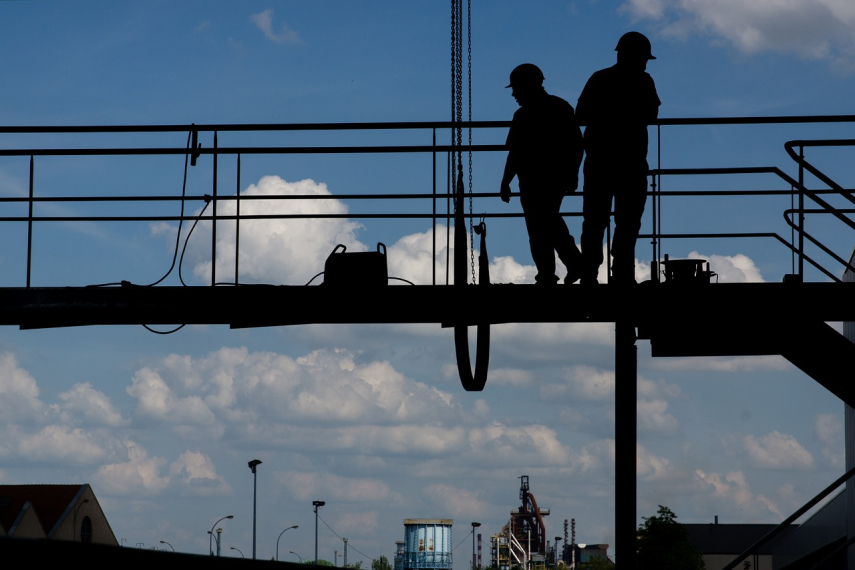
Photo: Jean Martinelle from Pixabay
TALLINN - Clean energy technologies are creating hundreds of thousands of jobs in the European Union, according to a report published today by the EEA (European Environment Agency).
Meanwhile, a persistent shortage of skilled workers could hinder further growth. The sector also continues to face challenges with inclusivity, as women and young people are underrepresented.
Global employment in the energy sector is growing faster than the economy as a whole. In 2024, energy sector employment increased by 2.2 percent, while overall economic employment grew by 1.3 percent. According to data from the International Renewable Energy Agency (IRENA) and the International Labour Organization (ILO), the European Union ranks second after China, with a total of 1.8 million jobs directly or indirectly related to renewable energy in the EU. China has seven million jobs in the clean energy sector.
The EEA report, "Clean energy technologies in the European Union - impacts on high-quality jobs, skills and the just transition," examines employment in four clean energy technology areas: wind power, solar energy, heat pumps, and batteries. These sectors collectively employ hundreds of thousands of people in the EU.
Wind power is the largest employer among the technologies covered. In 2023, there were an estimated 273,500 jobs directly related to wind energy in the EU. Of these, 77 percent were in operations, which includes maintenance, energy-related contractual work, and sales administration. This was followed by manufacturing.
Solar energy technology directly employed more than 227,000 people in 2023. Approximately half worked in operation and maintenance activities, and 36 percent were in various stages of the construction value chain, including infrastructure development, site preparation, and grid connection. However, the manufacturing of solar energy technology in the EU remains limited.
The heat pump sector employed an estimated 80,100 people in 2023, with 65 percent of them in the construction field. The sector has significant growth potential throughout the EU.
The battery and storage technology sector employed approximately 33,000 people. Although it is the smallest of the four technologies, its employment grew the fastest between 2018 and 2023. Most jobs are concentrated in manufacturing, while research and development remain crucial for developing next-generation technologies.
Within the EU, employment in the clean technology sector is unevenly distributed. Germany has the most jobs in wind energy (125,000 in 2023), solar energy (nearly 84,000 jobs), and battery manufacturing (12,300 jobs). However, this does not mean Germany has the highest share of these jobs relative to its total employment. Portugal, Spain, and Italy lead in the heat pump sector, while employment growth in the battery and storage technology sector has been fastest in Hungary and Poland.
According to the report, the concentration of jobs often reflects the existing industrial strengths and know-how of countries. If employment remains highly unevenly distributed across regions, it could increase regional disparities.
The report reveals that the growth in clean energy jobs does not automatically translate to a more inclusive labor market. The share of women reaches 26 percent in the wind and battery sectors, but it is only 14 percent in the heat pump sector. Young workers, aged 15-24, accounted for only six to seven percent of employees in the wind, solar, and heat pump sectors in 2023.
A shortage of skilled workers threatens the deployment of clean energy technologies, and most member states report deficits in key technical roles in installation and construction. Coordinated policy measures are needed to significantly expand training and upskilling opportunities, as well as to retrain the existing workforce, to ensure an adequate labor supply.
The quality of jobs also varies significantly across different technologies and parts of the value chain. Wages in the heat pump sector are approximately 40 percent lower than in the wind energy sector, which has the highest salaries among the four areas covered. Operation and maintenance jobs, more common in wind energy, generally offer more stable employment and better access to training. Construction and installation work in solar and heat pump sectors are more project-based, exposing workers more frequently to physical risks such as extreme temperatures, and offering fewer training opportunities. The impact of battery manufacturing on worker health and safety, as well as on local communities and the environment, remains a significant concern.
The EU has created an increasingly supportive policy framework to strengthen clean technology manufacturing, accelerate their deployment, and eliminate industry bottlenecks. This includes the Clean Industrial Deal, the Net-Zero Industry Act, the proposed Industrial Accelerator Act, and AccelerateEU, as well as various funding instruments and targeted initiatives such as the Battery Booster strategy, which supports the expansion of the EU's battery manufacturing capacity.
The report calls for coordinated policy measures to increase training and retraining opportunities and to improve job quality. This would help to better recruit and retain workers in a sector facing significant labor shortages.
More information about developments in Estonia's energy sector can be found on the Environmental Portal's Sustainable Development data gateway and the renewable energy topic page.





















 English (US) ·
  French (CA) ·
  French (FR) ·