

 12 hours ago
8
PROTECT YOURSELF with Orgo-Life® QUANTUM TECHNOLOGY
Orgo-Life the new way to the future Advertising by Adpathway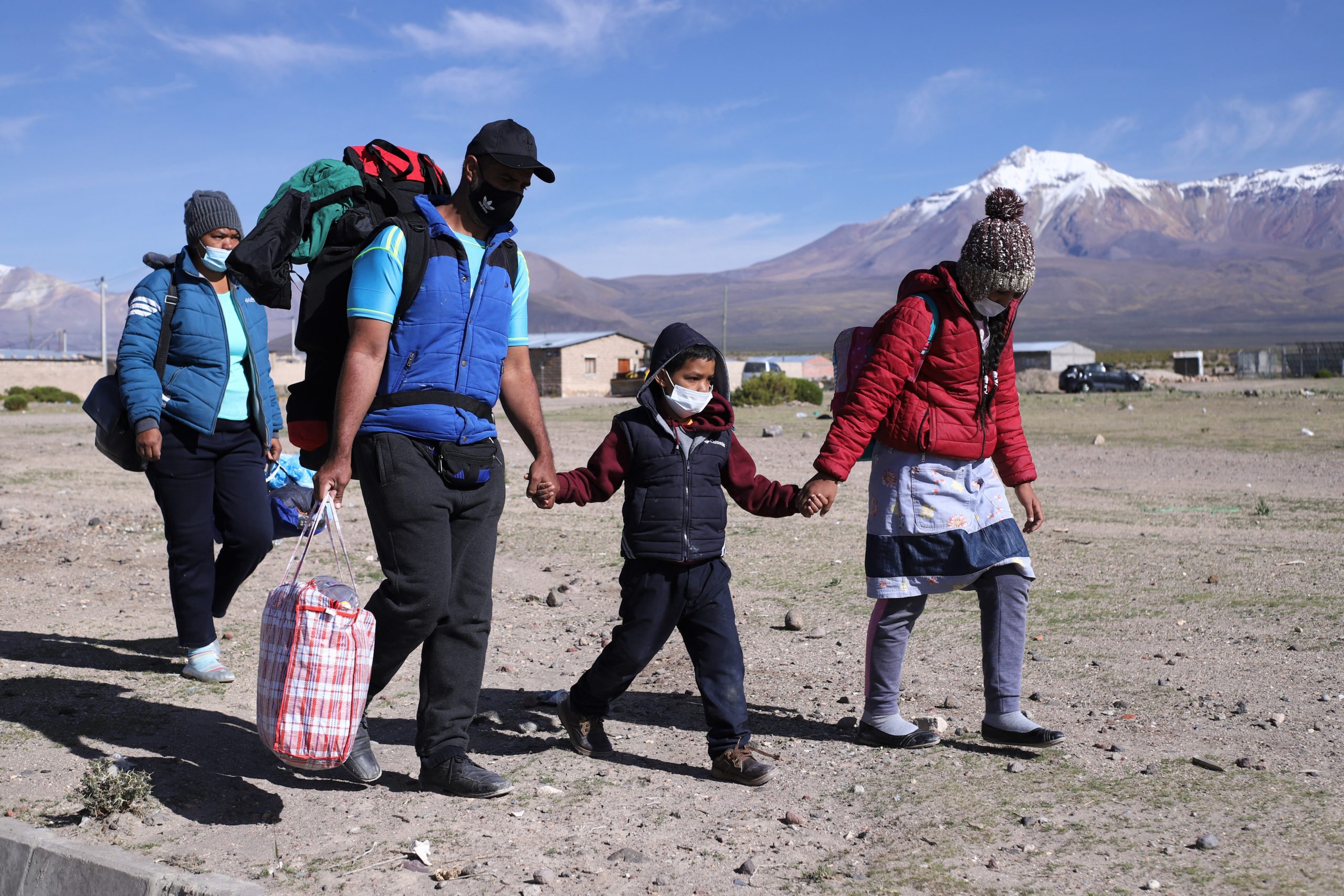
CHILE · MIGRATION
Key Facts
- The country Chile, where the northern border with Bolivia and Peru crosses desert and high Andes mountains.
- Power Index Chile ranks 3rd of 14 in The Rio Times Latin America Power Index, with 63.6 points (October 2026 edition).
- What happened Police counted 286 foreigners crossing illegally in the north from January to August, down from 4,393.
- Biggest drop Colchane, a high Andes border town, fell from 4,087 detections to 85, a drop of 98%.
- Immediate returns Immediate returns at the border fell from 2,553 to 380 between March and August, down 85%.
Chile’s illegal border crossings in the north fell 93% from January to August 2026, with 286 foreigners detected against 4,393 a year earlier. The figures come from the Policía de Investigaciones (PDI), Chile’s civilian investigative police, and the National Migration Service (Sermig), which runs visas.
Free daily brief — no card needed
Get every Chile story in one morning email
We build you a personalized brief around the topics you follow — free for 7 days. Love it? Your first month after that is US$1.
Yes, email me my free daily brief — I can unsubscribe any time.
The drop follows a hard-line border plan by President José Antonio Kast, a conservative who took office in March 2026. Security Minister Martín Arrau said on Monday 26 October 2026 that irregular entries are down about 86%, while a wider count shows a smaller fall.
Where Illegal Border Crossings Fell Most
Of the 286 foreigners detected, 191 were at Chacalluta, the road crossing near Arica on the Peruvian border, and 85 were at Colchane. The three smaller posts of Chungará, Ollagüe and Visviri logged 4, 4 and 2 cases.
Illegal border crossings at Colchane fell from 4,087 detections to 85, a drop of 97.9%. Carabineros, who patrol the border, counted 27,276 people entering the north illegally in 2022, then 20,014 in 2023, 23,449 in 2024 and 7,530 in 2025.
Immediate returns also fell, from 2,553 between March and August 2025 to 380 in 2026, with 332 of them at Colchane. Pablo Garay, the PDI’s chief of migration, said Bolivians were 69% of those returned, then Venezuelans at 20% and Colombians at 6.6%.
What Changed on the Border
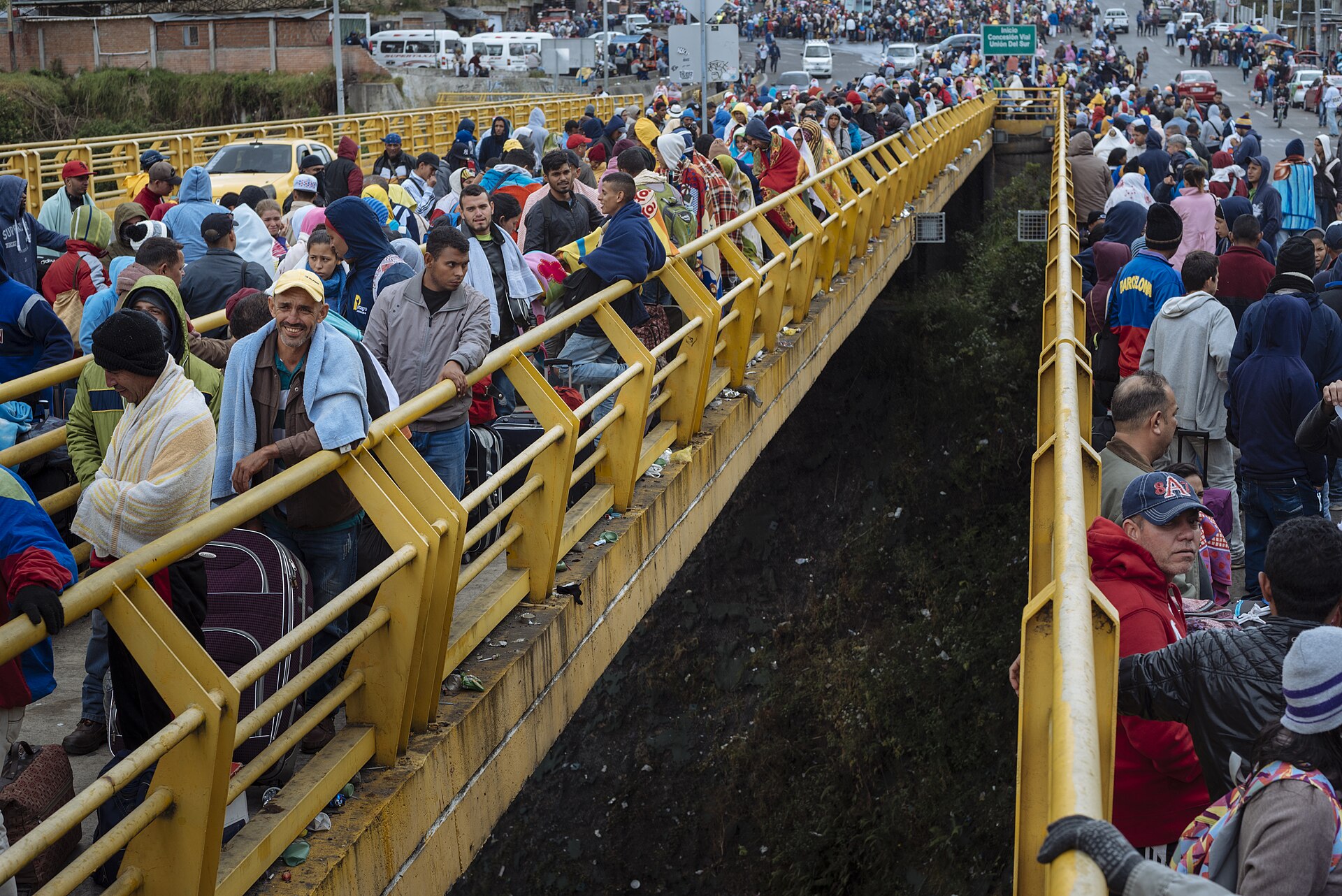
Kast ordered the military presence on the northern border doubled and trenches dug to block informal paths. Alberto Soto, the president’s delegate for the north, said 26 kilometers (about 16 miles) of trench were finished by August, half the 2026 target.
Soto says the trenches and patrols work as a funnel that pushes crossers toward a few points where soldiers and police wait. Illegal border crossings were already falling before Kast, since the Carabineros count for 2025 was 68% below 2024.

Expulsions Rose as Entries Fell
From January to July 2026, 1,330 foreigners left Chile under expulsion orders, up 76% from 753 a year earlier. Charter flights carrying expelled people rose from 4 to 9 in the same period.
The PDI also logged 7,501 voluntary departures at border controls, 78% of them Venezuelan. Sermig presents these numbers as proof that its border plan works.
Why the Government Gives Different Percentages
The 93% counts only illegal border crossings detected in the north, while the government also cites an 86% fall for people detected at the border. A wider count of filed cases of entry through unofficial crossings fell only 33% from January to July, from 16,788 to 11,242.
That wider count includes people found in Chile in a given year who may have arrived long before. Two opposition lawmakers asked the government to publish its counting method, and one says the real fall is closer to one third.
What It Means for You
For a US reader who follows migration policy, Chile is an early test of a trench-and-troops border model in South America. The figures show fewer illegal border crossings detected, but not whether fewer people are trying to cross.
Venezuelans were the largest group among the voluntary departures, so the shift touches migration flows that reach other countries in the region. Our Kast profile and Southern Cone explainer give the wider picture.
More on Chile
Our report on the first trenches on the Peru border covers the start of the plan in March 2026. Our explainer on Chile’s role in Latin America shows where the country stands in the region.
Travelers heading to the capital can read our Santiago city guide for practical tips. It gives practical background for visitors and newcomers in Chile’s largest city.
What Is Not Known
The figures do not say how many people still cross without being detected, or whether migrants chose other routes or countries. They also do not show how much of the fall in illegal border crossings comes from the trenches and troops.
The PDI data for September and October are not yet public, so the 93% covers January to August only. The security minister’s 26 October statement gives a rounded fall of about 86%, without the period or the raw counts.
More: Chile news in English, every day from The Rio Times.
Frequently Asked Questions
How much did illegal border crossings fall in Chile?
From January to August 2026, police detected 286 illegal border crossings by foreigners in the north, against 4,393 a year earlier. That is a drop of 93%.
Who is José Antonio Kast?
Kast is Chile’s president since March 2026 and leads the conservative Republican Party. He ordered more troops and trenches on the northern border.
Why do the percentages differ?
The 93% counts foreigners detected after crossing the northern border illegally. A wider count of entries through unofficial crossings across Chile fell about 33% from January to July.
Where did illegal border crossings fall the most?
At Colchane, a small Andean town on the Bolivian border, detections fell from 4,087 to 85. Colchane was the center of the 2021 border crisis.
Sources: Chile’s National Migration Service (Sermig), Balance migratorio 2026: PDI migration statistics report, January to July 2026, August 2026; Chile’s Investigative Police (PDI) northern border detections and immediate returns, January to August 2026, released by Sermig, September 2026; Chile’s Ministry of Public Security, weekly security balance, 26 October 2026.
Editorial responsibility: Matthias Camenzind, Editor-in-Chief · Editorial standards · Report an error
The Rio Times · Power Map
See who really holds power in Latin America
Click to open the Power Map →














 English (US) ·
 French (CA) ·
 French (FR) ·