

 2 months ago
25
2 months ago
25
PROTECT YOURSELF with Orgo-Life® QUANTUM TECHNOLOGY
Orgo-Life the new way to the future Advertising by AdpathwayBrazil · Markets
Key Facts
—The offer. Braskem’s new controlling group filed for a public tender offer (OPA) to buy 100% of the petrochemical maker’s shares.
—The buyer. The Shine I fund, linked to private-equity firm IG4, took control alongside Petrobras from the former owner tied to Novonor, once Odebrecht.
—Not yet live. The offer still needs approval from the securities regulator CVM and the B3 exchange before it can launch.
—The overhang. The Maceió ground-subsidence disaster continues to weigh on the company and its stock.
The stock. Braskem shares have fallen about 7% over the past year.
A change of control at one of Latin America’s largest petrochemical makers has reached its next step. Braskem’s new owners have filed a Braskem tender offer to buy out remaining shareholders, even as an old environmental disaster keeps shadowing the company.
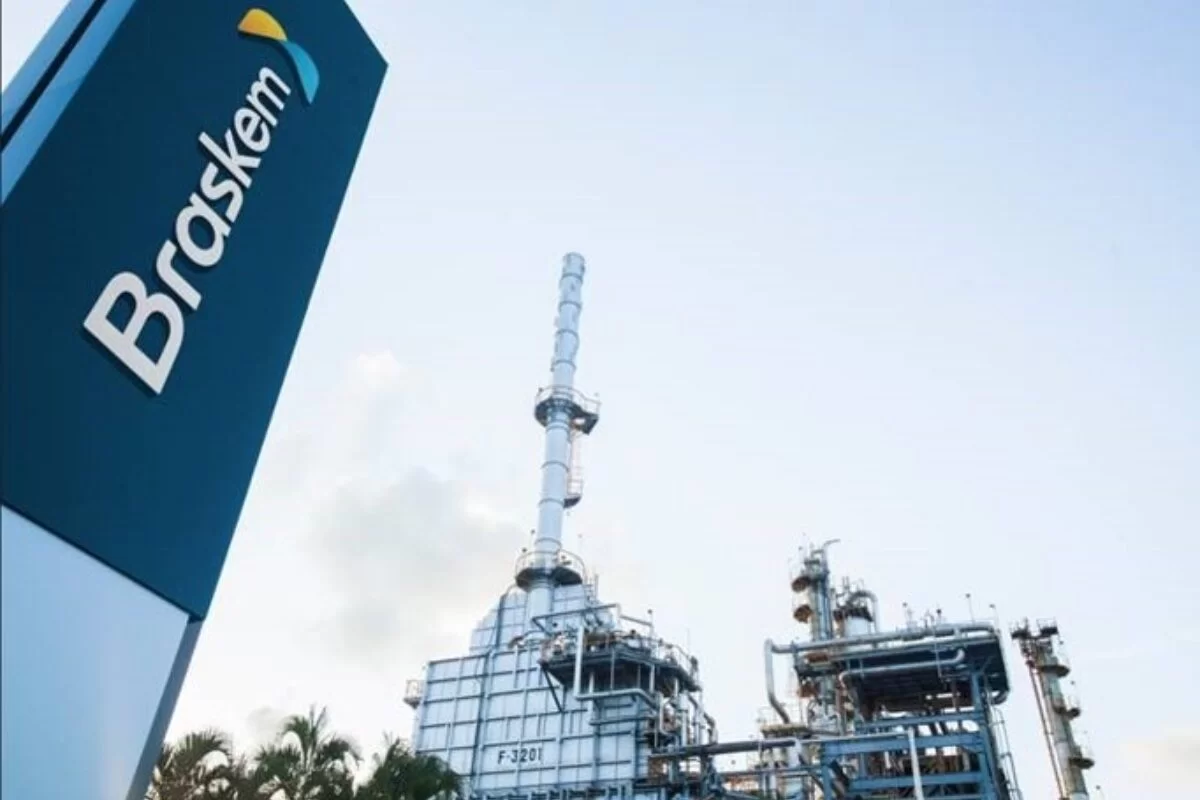
The Shine I Investment Fund, part of the new control block, filed a request with Brazil’s securities commission, the CVM, and the B3 exchange for a public share-acquisition offer covering all ordinary and preferred shares, Money Times reported.
A new owner, a formal buyout
The filing came days after the private-equity manager IG4, tied to the Shine fund, and Petrobras completed the purchase of control previously held by an entity linked to Novonor, the group once known as Odebrecht. The tender offer aims to acquire the whole company, though it has not yet been launched and depends on CVM and B3 approval.
For minority shareholders, an offer for 100% of the shares is the moment a change of control becomes personal: a chance to exit, at a price still to be defined.
The Maceió shadow
Hanging over the deal is Maceió. Braskem has spent years and billions of reais on the fallout from ground subsidence in the northeastern city, linked to its salt-mining operations, paying indemnities, relocating residents, sealing wells and funding environmental monitoring.
The liability is not fully closed, and the possibility of further costs or legal decisions remains a source of uncertainty. Combined with a weak global petrochemical market, it helps explain why the stock has fallen about 7% over the past year even as ownership changes hands.
Live Company IntelligenceBraskem S.A — the full investor dossierInside: live share price, market cap, three-year financials, valuation, ESG and peer benchmarks — plus the latest Rio Times coverage.B
◆ Live Company Intelligence
Braskem
SA: BRKM5BRKM5Basic MaterialsChemicals8,233 employees
Valuation & profitability
Market cap$4.93B
Revenue (TTM)$66.74B
Profit margin-13.7%
Return on equity-548.8%
Price & risk
52-wk low
$5.8352-wk high
$13.78
Beta (volatility)0.72
200-day average$8.72
Revenue trend · 6y
20202025
Latest $70.72B
Ownership
Institutions16.3%
Shares outstanding345M
Dividend
No regular dividend — earnings reinvested for growth.
What Braskem does. Braskem S.A., together with its subsidiaries, engages in the manufacture, sale, import, and export of chemicals, petrochemicals, and fuels in Brazil. The company supplies electricity and other inputs to second-generation producers; sells utilities, such as steam, water, compressed air and industrial gases; industrial services; and engages in the production, supply, and sale…
What the offer actually means
Control of Braskem has changed hands. Novonor, the former Odebrecht group, agreed to sell its controlling stake to a new set of investment funds, a deal that closed in mid-2026. Under Brazilian rules, whoever takes control of a listed company must then make a public offer to buy the shares still held by everyone else, on the same terms. That is the “tender offer” in the headlines: a chance for ordinary shareholders to sell out at the agreed price. Petrobras, the state-run oil company, remains a major shareholder and is negotiating how the business will be governed from here.
For investors, the offer sets a clear price on the company and removes some of the uncertainty that hung over its ownership for years. But it also arrives while one very large problem is still being paid off.
The Maceió disaster hanging over the company
For decades Braskem mined salt beneath the city of Maceió, in northeastern Brazil. The ground above those mines began to sink and crack, forcing tens of thousands of residents to abandon entire neighborhoods. Braskem has set aside billions of reais (several billion US dollars) to compensate families, relocate them and shore up the affected areas. That bill, and the reputational damage that comes with it, is the “fallout” that continues to weigh on the share price even as the ownership question is resolved.
Frequently Asked Questions
What did Braskem’s new owner file?
A request for a public tender offer (OPA) to acquire 100% of Braskem’s ordinary and preferred shares, submitted to the CVM and B3. It has not yet launched and needs regulatory approval.
Who controls Braskem now?
A group including the Shine I fund, linked to private-equity firm IG4, and Petrobras, which took control from an entity tied to Novonor, formerly Odebrecht.
Why does Maceió matter?
Ground subsidence in Maceió linked to Braskem’s operations has cost the company billions of reais in indemnities and remediation, with further costs still possible, a persistent drag on the stock.












 English (US) ·
  French (CA) ·
  French (FR) ·