

 2 months ago
88
2 months ago
88
PROTECT YOURSELF with Orgo-Life® QUANTUM TECHNOLOGY
Orgo-Life the new way to the future Advertising by AdpathwayBrazil · Energy
Key Facts
—The move: Brazil’s grid operator, the ONS, triggered its emergency excess-generation plan for the first time, effective Sunday, June 7.
—The reason: High rooftop-solar output met very low demand on a mild long-weekend Sunday, risking too much power on the system.
—The target: The plan cuts mainly small distributed solar and microgeneration that the ONS does not dispatch directly, via the distribution utilities.
—The rule: The mechanism was approved by regulator Aneel in November 2025; this is its first use.
—The stake: It marks a new phase in managing Brazil’s distributed-solar boom, which has outpaced the grid’s control tools.
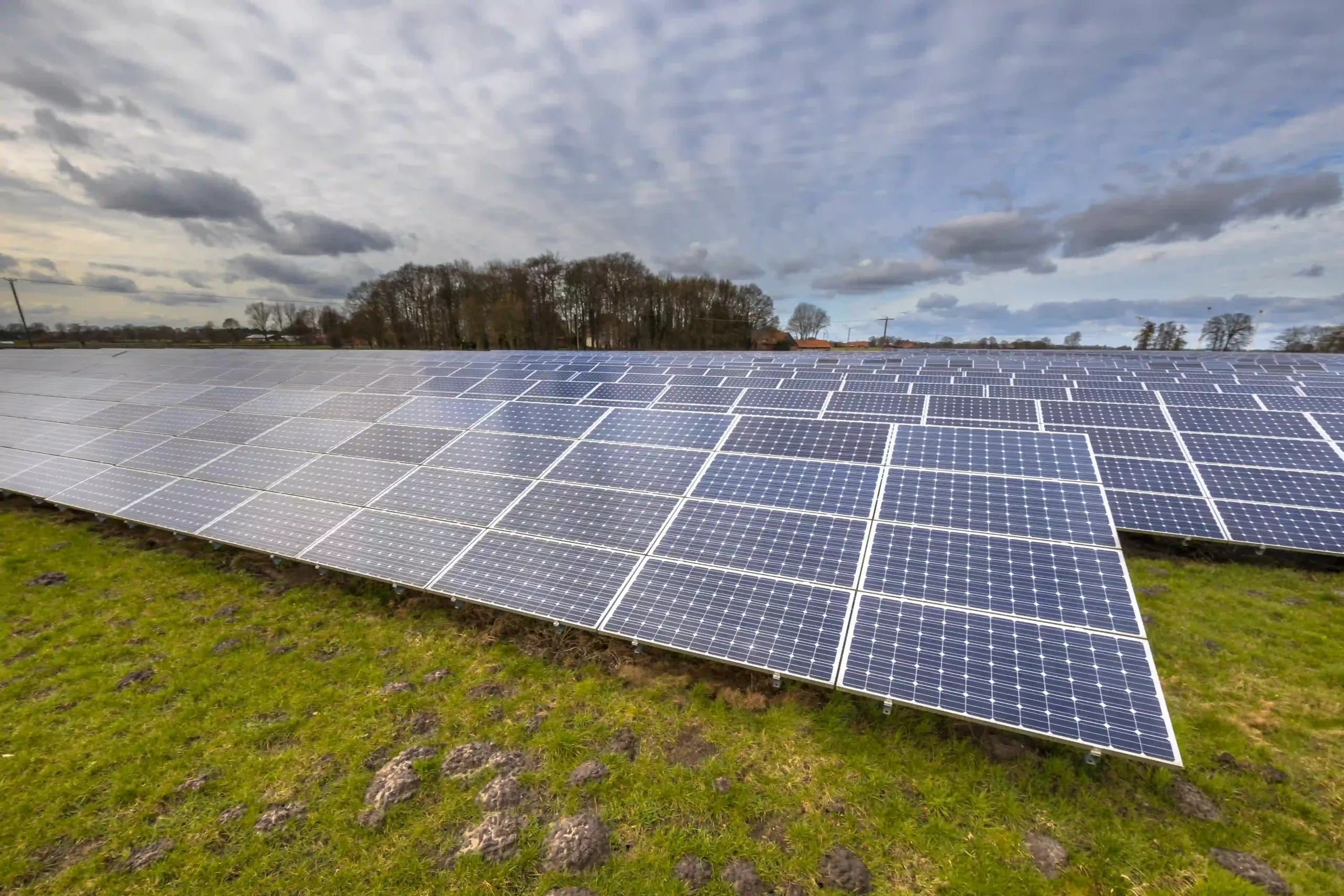
The Brazil power grid operator activated an emergency plan for the first time to curtail surplus generation, ordering cuts mainly to small rooftop and distributed solar on Sunday, June 7, as a flood of midday solar output met unusually low long-weekend demand.
What the ONS did to the Brazil power grid
The National Electric System Operator, known as the ONS, said it would activate its “Emergency Plan for Managing Energy Surpluses in the Distribution Network” for Sunday. It was the first time the operator has used the tool since it was created.
The operator first reduced output from the larger plants it dispatches directly. When that was not enough to remove the risk, it turned to the emergency plan, which reaches smaller generators connected to the distribution grid.
The ONS does not pick the individual plants to be cut. That task falls to the distribution utilities, which identify the affected generators in their concession areas and apply the reductions, typically on a rotating basis.
Why a sunny Sunday caused the problem
A power system must keep generation and consumption in constant balance. When output runs far above demand, the risk of automatic equipment shutdowns and instability rises.
Sunday combined several factors that pushed the system toward surplus: strong solar production, mild temperatures, and the low consumption typical of a weekend during a long holiday. That mix left more power on the grid than it needed.
Solar is the most affected source because the squeeze happens at the hours of peak photovoltaic output, usually from late morning into the early afternoon. Small hydro, biomass and smaller wind farms can also be reduced.
The deeper challenge is technical. A grid heavy with renewables has less of the inertia, frequency control and voltage support that conventional plants provide, which makes sudden surpluses harder to manage safely.
Long weekends and holidays are flashpoints because factories and offices are idle while the sun still shines. The operator has flagged these low-load windows as the moments when the risk of excess generation is greatest.
A new tool for an old strain
Curtailment itself is not new in Brazil. For years the operator has ordered cuts at large wind and solar plants when the grid could not absorb or move all their output, imposing billions of reais in losses on producers.
What changed is the reach. Aneel approved the emergency mechanism in November 2025 precisely so the operator could, when necessary, curtail the small distributed generators it does not control directly.
The operator monitors conditions up to seven days ahead and can issue preliminary alerts to utilities. On the eve of the operation it confirms whether the restriction is needed and sets the volume to be cut.
Industry references point to an August 2025 episode, around Father’s Day, when surplus solar generation pushed the system close to a momentary instability. That scare helped drive the creation of the new rule.
By extending its reach to micro and small generators, the operator gains a sharper instrument for low-demand days, but also takes on the politically delicate task of switching off power that households and small businesses produce themselves. How utilities apply the cuts, and whether owners are compensated, will shape how the measure is received.
What it signals for the energy transition
The episode underscores a structural tension. Brazil’s rooftop and small-scale solar fleet has grown so fast that a large share of generation now sits outside the operator’s direct dispatch, complicating balancing at low-demand hours.
Distributed solar already accounts for a substantial slice of installed capacity and keeps expanding. Without enough flexibility on the system, the operator is left curtailing clean power it cannot otherwise manage.
There is a financial cost to that waste. Curtailed renewable output represents energy that was generated but never sold, and producers have spent the past two years pressing for fairer compensation when the grid cannot take their power.
The longer-term fixes are well known: more transmission, demand that can shift in time, and crucially battery storage to soak up midday surpluses and release them later. Brazil has moved toward a first grid-battery auction, but such capacity takes time to build.
Until that flexibility arrives, episodes like Sunday’s are likely to recur on bright, low-demand days. The first use of the emergency plan may prove less a one-off than the start of a routine the operator now has to manage.
For the wider context, see our reporting on Brazil’s solar boom and the hidden grid problem and our Brazil renewable energy 2026 guide.
Frequently asked questions
What did Brazil’s grid operator do?
The ONS activated, for the first time, an emergency plan to curtail surplus electricity, ordering cuts mainly to small distributed solar generation for Sunday, June 7.
Why was the curtailment needed?
High midday solar output coincided with very low demand on a mild long-weekend Sunday, creating a surplus that risked instability on the grid.
Which plants are affected?
Mainly small distributed solar and microgeneration connected to the distribution network, which the ONS does not dispatch directly. Small hydro, biomass and smaller wind can also be cut. Utilities choose the specific plants.
Is this the same as a blackout?
No. This is a controlled reduction of excess generation to protect the system, the opposite of a supply shortage. It is meant to prevent instability, not to ration power to consumers.
















 English (US) ·
  French (CA) ·
  French (FR) ·